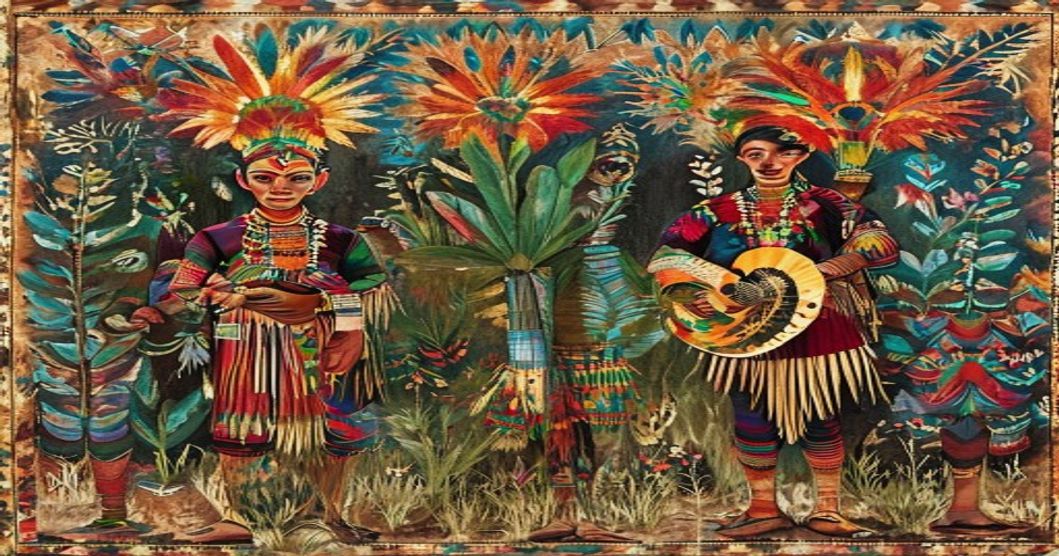
Pueblo Rarámuri (Tarahumara): Historia, Cultura y Cosmovisión Indígena de México
Español
Introducción
El pueblo Rarámuri, también conocido como Tarahumara, es una de las culturas indígenas más antiguas y resilientes de México. Su territorio se encuentra en la Sierra Tarahumara, un valle rodeado de montañas que se extiende por el estado de Chihuahua. La Sierra Tarahumara es un lugar sagrado para los Rarámuri, donde se encuentran los espíritus de sus antepasados y se celebran las tradicionales ceremonias y rituales.
Los Rarámuri son conocidos por su habilidad para vivir en armonía con la naturaleza, y su sociedad se organiza en torno a la agricultura y la caza. La siembra del maíz y el frijol es una de las actividades más importantes en su economía, y se considera que el maíz es un alimento sagrado. La caza de venados y otros animales es otra actividad importante, y se utiliza la armadura de cuero y madera para protegerse.
Desarrollo
La religión Rarámuri se basa en la creencia en una gran variedad de espíritus y seres sobrenaturales. Se cree que los espíritus de los antepasados y los animales protegen y guían a la comunidad. Los Rarámuri también creen en la existencia de un espíritu supremo que se conoce como “el aguila y la venado”, que representa la relación entre el hombre y la naturaleza.
Una de las tradicionales ceremonias Rarámuri es el “carnaval de la cosecha”, que se celebra en la actualidad en el mes de agosto. Durante este festival, los Rarámuri se reúnen en la aldea central y celebran con música, baile y comida. La ceremonia también incluye la realización de rituales y ofrendas a los espíritus de los antepasados.
La geografía y la economía de la Sierra Tarahumara
| Geografía | Economía |
|---|---|
| La Sierra Tarahumara es un valle rodeado de montañas que se extiende por el estado de Chihuahua. | La agricultura y la caza son las principales actividades económicas de la comunidad. |
| La siembra del maíz y el frijol es una de las actividades más importantes en su economía. | La caza de venados y otros animales es otra actividad importante. |
La cultura Rarámuri en la actualidad
En la actualidad, la cultura Rarámuri sigue siendo una parte importante de la identidad de la comunidad. Sin embargo, la influencia de la cultura occidental y la urbanización han llevado a una disminución de las tradicionales prácticas y costumbres.
Los Rarámuri siguen trabajando para preservar su cultura y su lenguaje, y se han unido a proyectos para documentar y promocionar su patrimonio cultural.
Conclusiones
En resumen, el pueblo Rarámuri es una cultura indígena única y respetada en México. Su territorio en la Sierra Tarahumara es un lugar sagrado donde se encuentran los espíritus de sus antepasados y se celebran las tradicionales ceremonias y rituales. La cultura Rarámuri sigue siendo una parte importante de la identidad de la comunidad, aunque la influencia de la cultura occidental y la urbanización han llevado a una disminución de las tradicionales prácticas y costumbres.
English
Introduction
The Rarámuri people, also known as the Tarahumara, are one of the oldest and most resilient indigenous cultures in Mexico. Their territory is located in the Sierra Tarahumara, a valley surrounded by mountains that extends over the state of Chihuahua. The Sierra Tarahumara is a sacred place for the Rarámuri, where the spirits of their ancestors and the spirits of the land are believed to reside.
The Rarámuri people are known for their ability to live in harmony with nature, and their society is organized around agriculture and hunting. Maize and beans are the primary crops, and the Rarámuri people consider maize to be a sacred food. Hunting is another important activity, and they use leather and wood armor to protect themselves.
Development
The Rarámuri religion is based on the belief in a multitude of spirits and supernatural beings. They believe that the spirits of their ancestors and the animals protect and guide the community. The Rarámuri also believe in the existence of a supreme spirit, known as “the eagle and the venado”, which represents the relationship between humans and nature.
One of the traditional ceremonies of the Rarámuri is the “Harvest Festival”, which is celebrated in August. During this festival, the Rarámuri gather in the central village and celebrate with music, dance, and food. The ceremony also includes the performance of rituals and offerings to the spirits of their ancestors.
The geography and economy of the Sierra Tarahumara
| Geography | Economy |
|---|---|
| The Sierra Tarahumara is a valley surrounded by mountains that extends over the state of Chihuahua. | Agriculture and hunting are the primary economic activities of the community. |
| Maize and beans are the primary crops. | Hunting is another important activity. |
The Rarámuri culture in the present day
In the present day, the Rarámuri culture continues to be an important part of the community’s identity. However, the influence of Western culture and urbanization has led to a decline in traditional practices and customs.
The Rarámuri people continue to work to preserve their culture and language, and have joined projects to document and promote their cultural heritage.
Conclusion
In summary, the Rarámuri people are an indigenous culture that is unique and respected in Mexico. Their territory in the Sierra Tarahumara is a sacred place where the spirits of their ancestors and the spirits of the land are believed to reside. The Rarámuri culture continues to be an important part of the community’s identity, although the influence of Western culture and urbanization has led to a decline in traditional practices and customs.
Français
Introduction
Le peuple Rarámuri, également connu sous le nom de Tarahumara, est l’une des cultures indigènes les plus anciennes et les plus résistantes du Mexique. Son territoire se trouve dans la Sierra Tarahumara, une vallée entourée de montagnes qui s’étend sur l’état du Chihuahua. La Sierra Tarahumara est un lieu sacré pour les Rarámuri, où les esprits de leurs ancêtres et les esprits de la terre sont croyés à résider.
Le peuple Rarámuri est connu pour leur capacité à vivre en harmonie avec la nature, et leur société est organisée autour de l’agriculture et de la chasse. Le maïs et les haricots sont les principales cultures, et les Rarámuri considèrent le maïs comme une nourriture sacrée. La chasse est une autre activité importante, et ils utilisent des armures en cuir et en bois pour se protéger.
Développement
L’ancienne religion des Rarámuri est basée sur la croyance en une multitude d’esprits et de créatures surnaturelles. Ils croyent que les esprits de leurs ancêtres et les animaux les protègent et les guident. Les Rarámuri croient également en l’existence d’un esprit suprême, connu sous le nom d’”l’aigle et le cerf”, qui représente la relation entre les humains et la nature.
Une des cérémonies traditionnelles des Rarámuri est le “carnaval de la moisson”, qui a lieu en août. Pendant ce festival, les Rarámuri se réunissent dans le village central et célèbrent avec de la musique, du danse et de la nourriture. La cérémonie inclut également la réalisation de rituels et des offrandes aux esprits de leurs ancêtres.
La géographie et l’économie de la Sierra Tarahumara
| Géographie | Économie |
|---|---|
| La Sierra Tarahumara est une vallée entourée de montagnes qui s’étend sur l’état du Chihuahua. | L’agriculture et la chasse sont les principales activités économiques de la communauté. |
| Le maïs et les haricots sont les principales cultures. | La chasse est une autre activité importante. |
La culture Rarámuri dans le présent
Actuellement, la culture Rarámuri continue à être une partie importante de l’identité de la communauté. Cependant, l’influence de la culture occidentale et de l’urbanisation a entraîné une diminution des pratiques et des coutumes traditionnelles.
Les Rarámuri continuent à travailler pour préserver leur culture et leur langue, et ont rejoint des projets pour documenter et promouvoir leur patrimoine culturel.
Conclusion
En résumé, le peuple Rarámuri est une culture indigène unique et respectée au Mexique. Leur territoire dans la Sierra Tarahumara est un lieu sacré où les esprits de leurs ancêtres et les esprits de la terre sont croyés à résider. La culture Rarámuri continue à être une partie importante de l’identité de la communauté, même si l’influence de la culture occidentale et de l’urbanisation a entraîné une diminution des pratiques et des coutumes traditionnelles.
Preguntas Frecuentes / FAQ / Questions Fréquentes
Q: Dónde se encuentra la Sierra Tarahumara?
A: La Sierra Tarahumara se encuentra en el estado de Chihuahua, en el norte de México.
Q: ¿Qué es la religión Rarámuri?
A: La religión Rarámuri se basa en la creencia en una gran variedad de espíritus y seres sobrenaturales. También creen en la existencia de un espíritu supremo que se conoce como “el aguila y la venado”, que representa la relación entre el hombre y la naturaleza.
Q: ¿Cómo viven los Rarámuri?
A: Los Rarámuri viven en armonía con la naturaleza, y su sociedad se organiza en torno a la agricultura y la caza. La siembra del maíz y el frijol es una de las actividades más importantes en su economía, y se considera que el maíz es un alimento sagrado.
Q: ¿Qué es el “carnaval de la cosecha”?
A: El “carnaval de la cosecha” es una tradicional ceremonia Rarámuri que se celebra en la actualidad en el mes de agosto. Durante este festival, los Rarámuri se reúnen en la aldea central y celebran con música, baile y comida. La ceremonia también incluye la realización de rituales y ofrendas a los espíritus de los antepasados.
Q: ¿Cómo se puede apoyar a la comunidad Rarámuri?
A: Se puede apoyar a la comunidad Rarámuri visitando su territorio en la Sierra Tarahumara y aprendiendo sobre su cultura y sus tradiciones. También se puede apoyar a la comunidad a través de proyectos que promuevan la preservación de su patrimonio cultural y su lenguaje.
Explora Más
Visita nuestra página oficial en mexicanlibrary.org para aprender más sobre la cultura Rarámuri y su patrimonio cultural.
Bibliografía / References / Références
- INAH (https://www.inah.gob.mx). La Cultura Rarámuri: Patrimonio Cultural de México.
- INPI (https://www.gob.mx/inpi). La Religión Rarámuri: Una Aventura en la Naturaleza.
- UNESCO (https://es.unesco.org). La Sierra Tarahumara: Un Patrimonio Cultural Mundial.
- Medioteca INAH (https://mediateca.inah.gob.mx). La Literatura Rarámuri: Un Viaje en el Tiempo.
- Sistema de Información Cultural (https://sic.cultura.gob.mx). La Cultura Rarámuri: Un Patrimonio en Riesgo.
- Biblioteca Nacional de México UNAM (http://www.bnm.unam.mx). La Biblioteca Rarámuri: Un Reservoir de Conocimiento.
#MexicanLibrary #PueblosIndigenas #CulturasDeMexico #OpenLibrary #FreeArchive #Mexico #PatrimonioCultural