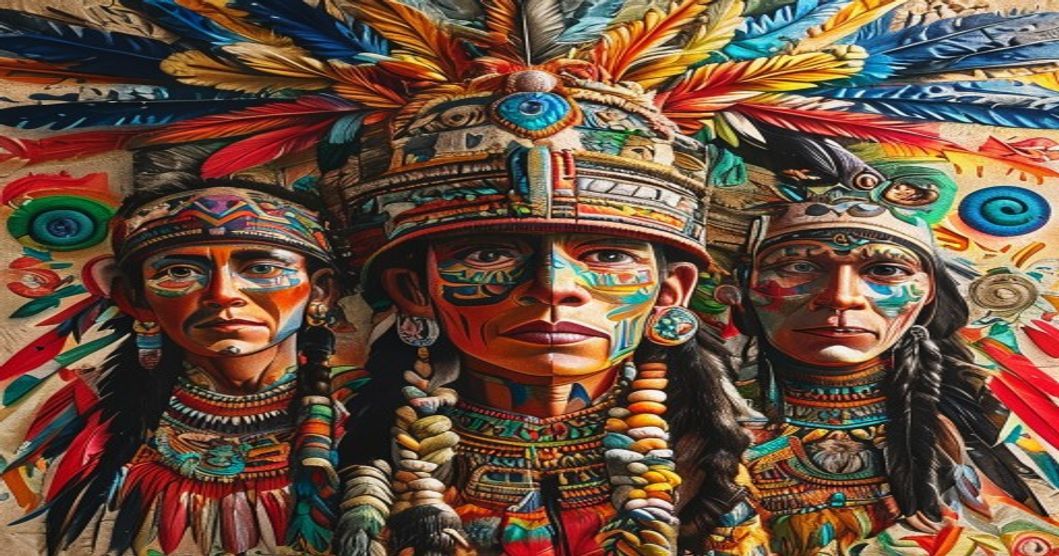
Pueblo Mixteco: Historia, Cultura y Cosmovisión Indígena de México
Español
Introducción
El pueblo Mixteco es una de las culturas indígenas más antiguas y respetadas de México, con una rica historia y tradición que se remonta a la época prehispánica. Su territorio se encuentra en el valle de Oaxaca, en el sur de México, donde se caracteriza por su aridez y sequía. A pesar de estos desafíos, el pueblo Mixteco ha logrado mantener su identidad y cultura, y es considerado uno de los pueblos indígenas más conservadores de México.
En este artículo, se presentará la historia y cultura del pueblo Mixteco, incluyendo sus símbolos, animales, plantas y festivales. También se analizará la importancia de los codices en la cultura Mixteca y se discutirá la relación entre la cultura Mixteca y la naturaleza.
Desarrollo
Origen y historia
El origen del pueblo Mixteco se remonta a la época prehispánica, cuando se establecieron en el valle de Oaxaca. La historia de la cultura Mixteca se caracteriza por su riqueza y complejidad, con una serie de reinados y eventos que han marcado su desarrollo.
Uno de los eventos más importantes en la historia de la cultura Mixteca fue la conquista española, que tuvo un impacto profundo en la sociedad Mixteca. Los españoles introdujeron nuevas tecnologías, religiones y costumbres, que se combinaron con las tradiciones Mixtecas para formar una nueva identidad cultural.
Cultura y tradiciones
La cultura Mixteca se caracteriza por su riqueza y diversidad, con una serie de símbolos, animales, plantas y festivales que son únicos en la región. El jaguar y el venado son dos de los animales más importantes en la cultura Mixteca, y se consideran símbolos de la fuerza y la sabiduría.
La maíz y el maguey son dos de las plantas más importantes en la cultura Mixteca, y se utilizan en una serie de rituales y ceremonias. La maíz se considera un alimento sagrado, y se utiliza en la preparación de tamales y otros platos tradicionales.
Codices y escritura
Los codices son una parte importante de la cultura Mixteca, y se utilizan para registrar eventos, historias y tradiciones. Los codices Mixtecas son famosos por su belleza y complejidad, y se consideran algunos de los mejores ejemplos de la escritura prehispánica en México.
Uno de los codices más importantes en la cultura Mixteca es el “Códice Florentino”, que se encuentra en la Biblioteca Mediateca INAH. Este codice es una de las mejores representaciones de la escritura Mixteca, y se considera un tesoro cultural para la región.
Naturaleza y religión
La naturaleza es una parte importante de la cultura Mixteca, y se considera una fuente de inspiración y sabiduría. Los Mixtecas creen en una serie de dioses y diosas que se asocian con la naturaleza, y se consideran responsables de la creación y el mantenimiento del universo.
Uno de los dioses más importantes en la religión Mixteca es el “Dios de la lluvia”, que se considera el patrón protector de la región. Los Mixtecas celebran una serie de festivales y rituales en honor a este dios, que se considera un símbolo de la vida y la fertilidad.
Conclusiones
En conclusión, la cultura Mixteca es una de las más ricas y complejas de México, con una serie de símbolos, animales, plantas y festivales que son únicos en la región. La historia y tradición de la cultura Mixteca se remonta a la época prehispánica, y se ha desarrollado a lo largo de la historia, influenciada por la conquista española y la introducción de nuevas tecnologías y costumbres.
La cultura Mixteca es un patrimonio cultural importante para México, y se considera una de las culturas más conservadoras y respetadas del país. Su riqueza y diversidad la convierten en un tesoro cultural para la región, y se espera que siga siendo una fuente de inspiración y sabiduría para las generaciones futuras.
English
Introduction
The Mixtec people are one of the oldest and most respected indigenous cultures in Mexico, with a rich history and tradition that dates back to pre-Columbian times. Their territory is located in the Oaxaca Valley, in southern Mexico, where they are characterized by their arid and dry climate. Despite these challenges, the Mixtec people have managed to maintain their identity and culture, and are considered one of the most conservative indigenous groups in Mexico.
This article will present the history and culture of the Mixtec people, including their symbols, animals, plants, and festivals. We will also analyze the importance of codices in Mixtec culture and discuss the relationship between Mixtec culture and nature.
Development
Origin and history
The origin of the Mixtec people dates back to pre-Columbian times, when they established themselves in the Oaxaca Valley. The history of Mixtec culture is characterized by its richness and complexity, with a series of dynasties and events that have shaped its development.
One of the most important events in Mixtec history was the Spanish conquest, which had a profound impact on the Mixtec people. The Spanish introduced new technologies, religions, and customs, which combined with Mixtec traditions to form a new identity culture.
Culture and traditions
Mixtec culture is characterized by its richness and diversity, with a series of symbols, animals, plants, and festivals that are unique to the region. The jaguar and deer are two of the most important animals in Mixtec culture, and are considered symbols of strength and wisdom.
Corn and agave are two of the most important plants in Mixtec culture, and are used in a series of rituals and ceremonies. Corn is considered a sacred food, and is used in the preparation of traditional dishes such as tamales.
Codices and writing
Codices are an important part of Mixtec culture, and are used to record events, stories, and traditions. Mixtec codices are famous for their beauty and complexity, and are considered some of the best examples of pre-Columbian writing in Mexico.
One of the most important codices in Mixtec culture is the “Florentine Codex”, which is housed in the INAH Mediateca Library. This codex is one of the best representations of Mixtec writing, and is considered a cultural treasure for the region.
Nature and religion
Nature is an important part of Mixtec culture, and is considered a source of inspiration and wisdom. The Mixtecs believe in a series of gods and goddesses that are associated with nature, and consider them responsible for creating and maintaining the universe.
One of the gods most important in Mixtec religion is the “Rain God”, who is considered the patron deity of the region. The Mixtecs celebrate a series of festivals and rituals in honor of this god, who is considered a symbol of life and fertility.
Conclusions
In conclusion, Mixtec culture is one of the richest and most complex in Mexico, with a series of symbols, animals, plants, and festivals that are unique to the region. The history and tradition of Mixtec culture date back to pre-Columbian times, and have developed over time, influenced by the Spanish conquest and the introduction of new technologies and customs.
Mixtec culture is a cultural treasure that is important for Mexico, and is considered one of the most conservative and respected indigenous groups in the country. Its richness and diversity make it a source of inspiration and wisdom for future generations.
Français
Introduction
Le peuple Mixtéco est l’une des cultures indigènes les plus anciennes et respectées du Mexique, avec une riche histoire et tradition qui remonte à la période précolombienne. Son territoire est situé dans la vallée d’Oaxaca, au sud du Mexique, où il est caractérisé par son climat sec et aride. Malgré ces défis, le peuple Mixtéco a réussi à maintenir son identité et sa culture, et est considéré comme l’un des groupes indigènes les plus conservateurs du Mexique.
Ce chapitre présentera l’histoire et la culture du peuple Mixtéco, y compris leurs symboles, animaux, plantes et fêtes. Nous analyserons également l’importance des codices dans la culture Mixtéco et discuterons de la relation entre la culture Mixtéco et la nature.
Développement
Origine et histoire
L’origine du peuple Mixtéco remonte à la période précolombienne, lorsque les Mixtecs s’installèrent dans la vallée d’Oaxaca. L’histoire de la culture Mixtéco est caractérisée par sa richesse et complexité, avec une série de dynasties et d’événements qui ont façonné son développement.
Un des événements les plus importants dans l’histoire de la culture Mixtéco fut la conquête espagnole, qui a eu un impact profond sur le peuple Mixtéco. Les Espagnols ont introduit de nouvelles technologies, religions et coutumes, qui se sont combinées avec les traditions Mixtecs pour former une nouvelle identité culturelle.
Culture et traditions
La culture Mixtéco est caractérisée par sa richesse et sa diversité, avec une série de symboles, animaux, plantes et fêtes qui sont uniques à la région. Le jaguar et le cerf sont deux des animaux les plus importants dans la culture Mixtéco, et sont considérés comme des symboles de force et de sagesse.
Le maïs et l’agave sont deux des plantes les plus importantes dans la culture Mixtéco, et sont utilisés dans une série de rituels et cérémonies. Le maïs est considéré comme un aliment sacré, et est utilisé dans la préparation de plats traditionnels tels que les tamales.
Codices et écriture
Les codices sont une partie importante de la culture Mixtéco, et sont utilisés pour enregistrer événements, histoires et traditions. Les codices Mixtecs sont célèbres pour leur beauté et leur complexité, et sont considérés comme l’un des meilleurs exemples de l’écriture précolombienne au Mexique.
Un des codices les plus importants dans la culture Mixtéco est le “Códice Florentino”, qui est conservé dans la Bibliothèque Médiatique INAH. Ce codice est l’un des meilleurs représentants de l’écriture Mixtéco, et est considéré comme un trésor culturel pour la région.
Nature et religion
La nature est une partie importante de la culture Mixtéco, et est considérée comme une source d’inspiration et de sagesse. Les Mixtecs croient en une série de dieux et de déesses qui sont associés à la nature, et les considèrent responsables de la création et du maintien de l’univers.
Un des dieux les plus importants dans la religion Mixtéco est le “Dieu de la pluie”, qui est considéré comme le dieu patron de la région. Les Mixtecs célèbrent une série de fêtes et de rituels en l’honneur de ce dieu, qui est considéré comme un symbole de la vie et de la fécondité.
Conclusions
En conclusion, la culture Mixtéco est l’une des plus riches et les plus complexes du Mexique, avec une série de symboles, animaux, plantes et fêtes qui sont uniques à la région. L’histoire et la tradition de la culture Mixtéco remontent à la période précolombienne, et ont développé au fil du temps, influencées par la conquête espagnole et l’introduction de nouvelles technologies et coutumes.
La culture Mixtéco est un trésor culturel qui est important pour le Mexique, et est considérée comme l’une des cultures les plus conservatrices et respectées du pays. Sa richesse et sa diversité la rendent une source d’inspiration et de sagesse pour les générations futures.
Preguntas Frecuentes / FAQ / Questions Fréquentes
Q: ¿Cuándo se estableció el pueblo Mixteco en la región?
A: La fecha exacta de la llegada de los Mixtecos a la región no se conoce con certeza. Sin embargo, se cree que se establecieron en la región durante la época prehispánica, antes de la conquista española.
Q: ¿Qué animales son más importantes en la cultura Mixteca?
A: El jaguar y el venado son dos de los animales más importantes en la cultura Mixteca, y se consideran símbolos de la fuerza y la sabiduría.
Q: ¿Qué plantas son más importantes en la cultura Mixteca?
A: La maíz y el maguey son dos de las plantas más importantes en la cultura Mixteca, y se utilizan en una serie de rituales y ceremonias. El maíz se considera un alimento sagrado, y se utiliza en la preparación de tamales y otros platos tradicionales.
Q: ¿Qué es un codice en la cultura Mixteca?
A: Los codices son una parte importante de la cultura Mixteca, y son utilizados para enregistrar eventos, historias y tradiciones. Los codices Mixtecs son famosos por su belleza y complejidad, y se consideran algunos de los mejores ejemplos de la escritura prehispánica en México.
Explora Más
Explora más sobre la cultura Mixteca y sus símbolos, animales, plantas y festivales. Visita el archivo abierto y gratuito de Mexican Library (mexicanlibrary.org) para acceder a una amplia variedad de recursos y materiales sobre la cultura Mixteca.
Bibliografía / References / Références
- INAH (https://www.inah.gob.mx)
- INPI (https://www.gob.mx/inpi)
- UNESCO (https://es.unesco.org)
- Mediateca INAH (https://mediateca.inah.gob.mx)
- Sistema de Información Cultural (https://sic.cultura.gob.mx)
- Biblioteca Nacional de México UNAM (http://www.bnm.unam.mx)
- INAH. (s.f.). Códice Florentino. URL
- INAH. (s.f.). Cultura Mixteca. URL
#MexicanLibrary #PueblosIndigenas #CulturasDeMexico #OpenLibrary #FreeArchive #Mexico #PatrimonioCultural