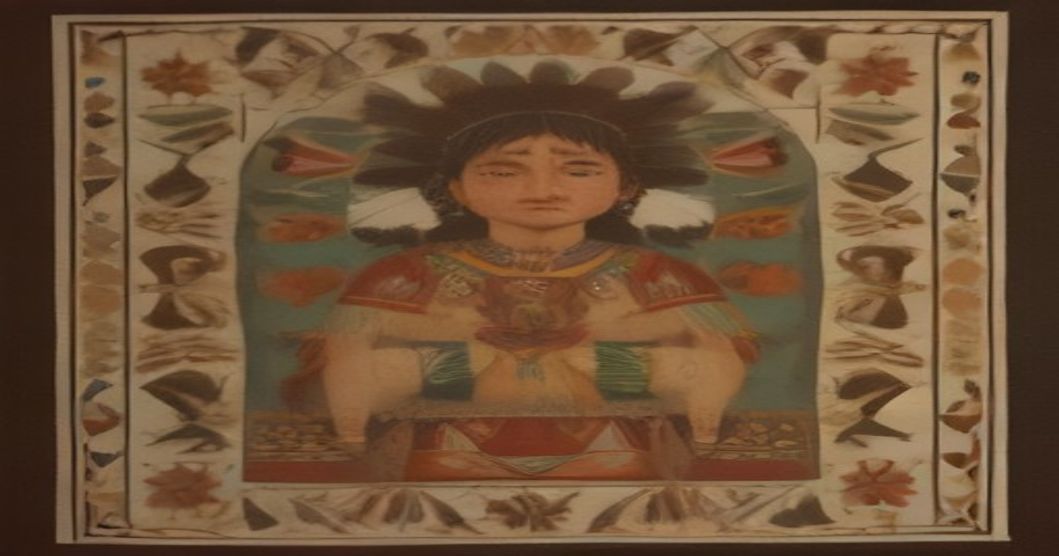
Pueblo Totonaca: Historia, Cultura y Cosmovisión Indígena de México
Español
Introducción
El pueblo Totonaca es una de las culturas indígenas más antiguas y diversas de México, con una rica historia y tradiciones que se remontan a la época prehispánica. Ubicados en la costa del Golfo de México, los Totonacas desarrollaron un complejo sistema de religión, economía y sociedad que se caracterizó por su estrecha relación con la naturaleza y los elementos del universo. En este artículo, se explorará la historia, la religión, la economía y la cultura del pueblo Totonaca, así como su impacto en la identidad mexicana contemporánea.
Los Totonacas son conocidos por su habilidad en la producción de vanilla, que se convirtió en una de las principales exportaciones de la región durante la época colonial. La vanilla es un producto que se ha convertido en símbolo de la identidad totonaca, y su producción sigue siendo una actividad importante en la región.
Desarrollo
Cronología histórica
| Fecha | Evento |
|---|---|
| 1000 a.C. | Arribada de los Totonacas a la costa del Golfo de México. |
| 500 d.C. | Desarrollo de la pirámide de la Cueva, un importante lugar de culto totonaca. |
| 1500 d.C. | Conquista totonaca por parte de los Aztecas. |
| 1521 d.C. | Conquista totonaca por parte de los españoles. |
Animales y plantas simbólicas
| Animal/planta | Simbolismo |
|---|---|
| Jaguar | Reina del bosque y protector de la naturaleza. |
| Colibrí | Simboliza la fertilidad y la vida. |
| Vanilla | Simboliza la riqueza y la fertilidad. |
| Maíz | Simboliza la vida y la fertilidad. |
Religión y culto
Los Totonacas desarrollaron un complejo sistema de religión que se caracterizó por la adoración de varios dioses y diosas, cada uno asociado con un elemento del universo. El más importante de estos fue el dios de la lluvia, que se creía que había creado el mundo. Los Totonacas también creían en la existencia de un ser sobrenatural llamado el Volador, que se creía que podía volar sobre el mundo.
El culto totonaca se caracterizó por la realización de rituales y ceremonias en honor a los dioses y diosas, así como la realización de ofrendas y sacrificios humanos. Uno de los rituales más importantes era el del Volador, que se celebraba en honor al dios del viento y la libertad.
Economía y sociedad
La economía totonaca se caracterizó por la producción de productos como la vanilla, el maíz y la madera. La vanilla se convirtió en una de las principales exportaciones de la región durante la época colonial. La sociedad totonaca se caracterizó por la organización en clans y aldeas, cada una con su propio líder y su propio sistema de gobernance.
La sociedad totonaca también se caracterizó por la importancia de la familia y la comunidad. Los Totonacas creían en la importancia de la familia y la comunidad, y la sociedad se organizaba en torno a la familia y la comunidad.
Conclusiones
El pueblo Totonaca es una de las culturas indígenas más antiguas y diversas de México, con una rica historia y tradiciones que se remontan a la época prehispánica. La religión, la economía y la sociedad de los Totonacas se caracterizaron por su estrecha relación con la naturaleza y los elementos del universo. La producción de vanilla y la realización del Volador ritual son ejemplos de la importancia de la religión y la economía en la sociedad totonaca.
English
Introduction
The Totonaca people are one of the oldest and most diverse indigenous cultures in Mexico, with a rich history and traditions that date back to pre-Columbian times. Located on the Gulf Coast of Mexico, the Totonacas developed a complex system of religion, economy, and society that was closely tied to nature and the elements of the universe. In this article, we will explore the history, religion, economy, and culture of the Totonaca people, as well as their impact on contemporary Mexican identity.
Totonacans are known for their skill in vanilla production, which became one of the region’s main exports during the colonial period. Vanilla has become a symbol of Totonac identity, and its production remains an important activity in the region.
Development
Chronology
| Date | Event |
|---|---|
| 1000 B.C. | Arrival of the Totonacas to the Gulf Coast of Mexico. |
| 500 A.D. | Development of the Cueva Pyramid, an important Totonac place of worship. |
| 1500 A.D. | Conquest of Totonaca by the Aztecs. |
| 1521 A.D. | Conquest of Totonaca by the Spanish. |
Animals and plants symbolic
| Animal/plant | Symbolism |
|---|---|
| Jaguar | Royal of the forest and protector of nature. |
| Hummingbird | Symbolizes fertility and life. |
| Vanilla | Symbols richness and fertility. |
| Maize | Symbols life and fertility. |
Religion and cult
Totonacans developed a complex system of religion that was closely tied to nature and the elements of the universe. They worshipped several gods and goddesses, each associated with an element of the universe. The most important of these was the god of rain, who was believed to have created the world. Totonacans also believed in the existence of a supernatural being called the Volador, who was believed to be able to fly over the world.
The Totonac cult was characterized by the performance of rituals and ceremonies in honor of the gods and goddesses, as well as the offering of sacrifices and human offerings. One of the most important rituals was the Volador ritual, which was performed in honor of the god of the wind and freedom.
Economy and society
Totonac economy was characterized by the production of goods such as vanilla, maize, and wood. Vanilla became one of the region’s main exports during the colonial period. Totonac society was organized in clans and villages, each with its own leader and its own system of governance.
Totonac society also placed great importance on family and community. Totonacans believed in the importance of family and community, and society was organized around family and community.
Conclusions
The Totonaca people are one of the oldest and most diverse indigenous cultures in Mexico, with a rich history and traditions that date back to pre-Columbian times. Their religion, economy, and society were closely tied to nature and the elements of the universe. The production of vanilla and the performance of the Volador ritual are examples of the importance of religion and economy in Totonac society.
Français
Introduction
Le peuple Totonaca est l’une des cultures indigènes les plus anciennes et les plus diverses du Mexique, avec une histoire riche et des traditions qui remontent à l’époque précolombienne. Situé sur la côte du Golfe du Mexique, les Totonacas ont développé un système complexe de religion, d’économie et de société qui était étroitement lié à la nature et aux éléments du univers. Dans cet article, nous allons explorer l’histoire, la religion, l’économie et la culture du peuple Totonaca, ainsi que leur impact sur l’identité mexicaine contemporaine.
Les Totonacas sont connus pour leur habilité dans la production de vanille, qui est devenue l’une des principales exportations de la région pendant la période coloniale. La vanille est devenue un symbole de l’identité totonaca, et sa production reste une activité importante dans la région.
Développement
Cronologie
| Date | Événement |
|---|---|
| 1000 av. J.-C. | Arrivée des Totonacas sur la côte du Golfe du Mexique. |
| 500 ap. J.-C. | Development du Cueva Pyramid, un important lieu de culte totonaca. |
| 1500 ap. J.-C. | Conquête totonaca par les Aztèques. |
| 1521 ap. J.-C. | Conquête totonaca par les Espagnols. |
Animal et plantes symboliques
| Animal/plante | Symboles |
|---|---|
| jaguar | Roi de la forêt et protecteur de la nature. |
| Colibri | Symbole de la fertilité et de la vie. |
| Vanille | Symbole de la richesse et de la fertilité. |
| Maïs | Symbole de la vie et de la fertilité. |
Religion et culte
Les Totonacas ont développé un système complexe de religion qui était étroitement lié à la nature et aux éléments du univers. Ils adoraient plusieurs dieux et déesses, chacun associé à un élément du univers. Le plus important de ces était le dieu de la pluie, qui était cru avoir créé le monde. Les Totonacas croyaient également en l’existence d’une entité supérieure appelée le Volador, qui était cru être capable de voler sur le monde.
Le culte totonaca était caractérisé par la réalisation de rituels et cérémonies en honneur des dieux et des déesses, ainsi que la réalisation d’offrandes et de sacrifices humains. L’un des rituels les plus importants était le Volador, qui était réalisé en honneur du dieu du vent et de la liberté.
Economie et société
L’économie totonaca était caractérisée par la production de biens tels que la vanille, le maïs et les bois. La vanille est devenue l’une des principales exportations de la région pendant la période coloniale. La société totonaca était organisée en clans et villages, chaque avec son propre leader et son propre système de gouvernance.
La société totonaca plaçait également une grande importance sur la famille et la communauté. Les Totonacas croyaient en l’importance de la famille et de la communauté, et la société était organisée en tornoï la famille et la communauté.
Conclusions
Le peuple Totonaca est l’une des cultures indigènes les plus anciennes et les plus diverses du Mexique, avec une histoire riche et des traditions qui remontent à l’époque précolombienne. Leur religion, leur économie et leur société étaient étroitement liés à la nature et aux éléments du univers. La production de vanille et la réalisation du Volador ritual sont des exemples de l’importance de la religion et de l’économie dans la société totonaca.
Preguntas Frecuentes / FAQ / Questions Fréquentes
1. De qui era el pueblo Totonaca?
Los Totonacas eran una de las culturas indígenas más antiguas y diversas de México, con una rica historia y tradiciones que se remontan a la época prehispánica. Se cree que su origen fue en la costa del Golfo de México, en la región que hoy es el estado de Veracruz.
2. ¿Qué creían los Totonacas?
Los Totonacas creían en la existencia de varios dioses y diosas, cada uno asociado con un elemento del universo. El más importante de estos era el dios de la lluvia, que se creía que había creado el mundo. También creían en la existencia de un ser sobrenatural llamado el Volador, que se creía que podía volar sobre el mundo.
3. ¿Qué producción era más importante para los Totonacas?
La producción de vanilla era más importante para los Totonacas que cualquier otra actividad económica. La vanille se convirtió en una de las principales exportaciones de la región durante la época colonial. Su producción sigue siendo una actividad importante en la región.
Explora Más
Explora más sobre el pueblo Totonaca y su historia en nuestro archivo abierto y gratuito en Mexican Library.
Bibliografía / References / Références
- INAH (https://www.inah.gob.mx)
- INPI (https://www.gob.mx/inpi)
- UNESCO (https://es.unesco.org)
- Medioteca INAH (https://mediateca.inah.gob.mx)
- Sistema de Información Cultural (https://sic.cultura.gob.mx)
- Biblioteca Nacional de México UNAM (http://www.bnm.unam.mx)
#MexicanLibrary #PueblosIndigenas #CulturasDeMexico #OpenLibrary #FreeArchive #Mexico #PatrimonioCultural