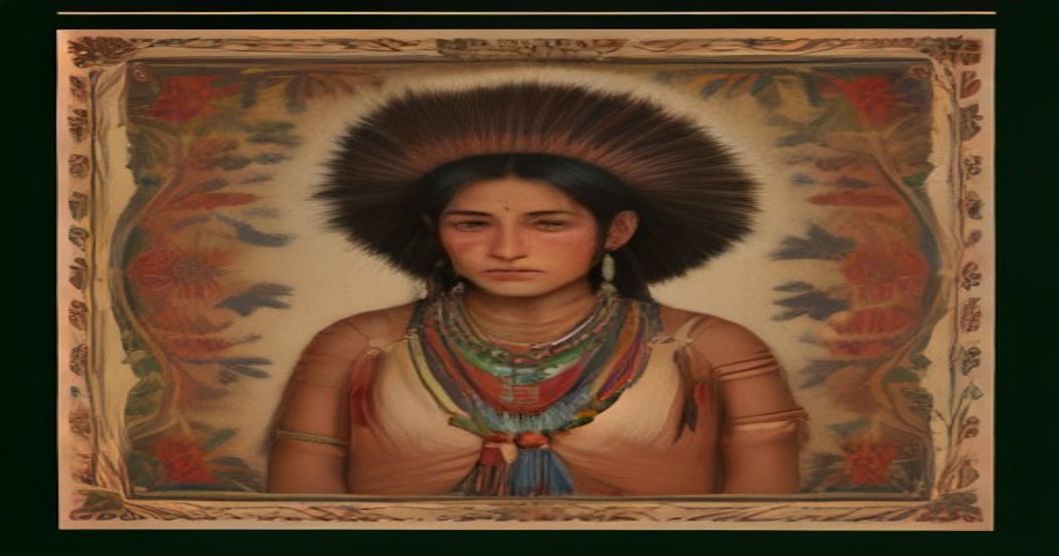
Seri People (Comcaac) — History, Culture, and Indigenous Worldview of Mexico
Ocean Guardians, Desert Ironwood Carvings, Sacred Sea Turtles, and Biocultural Legacy across the Sonoran Coast and Gulf Islands
An expanded trilingual monograph on the Seri (Comcaac) people. Inhabiting the Sonoran desert coast and coastal islands of the Gulf of California, the Seri represent one of Mexico’s most ancient, resilient, and distinct maritime hunter-gatherer cultures.
Seri People (Comcaac): History, Culture, and Indigenous Worldview of Mexico
Self-Designation: Comcaac (Csaaiique language isolate).
Ancestral Territory: Sonoran Desert Coast, Punta Chueca (Socaaix), Desemboque (Haxöl Iihom), Tiburón Island (Tahejöc), and Gulf of California Islands.
Global Population: Approximately 1,000–1,200 individuals preserving one of North America’s most unique coastal desert cultures.
Introduction
The Seri people are one of the oldest and most resilient indigenous cultures in Mexico, with a rich history and a distinct identity that is intertwined with the geography and climate of the Sonoran coast and islands. Their territory spans the peninsula of Baja California and the islands of Cabañas, Partida, and Píjigas, in the state of Sonora. Seri culture is characterized by its close relationship with the ocean and nature, which is reflected in its art, religion, and way of life.
The Seri people have been the subject of study and interest by anthropologists and historians, who have sought to understand their customs, beliefs, and way of life in a context of change and modernization. However, Seri culture remains one of the most preserved and respected indigenous cultures in Mexico, thanks to the work of activists and advocates for their rights.
Development: Territory and Geography
| Region | Data & Geographic Importance |
|---|---|
| Sonoran Coast | The Sonoran Coast is one of the most important regions for Seri culture, with its rich biodiversity and maritime customs. |
| Islands of Cabañas, Partida, and Píjigas | The islands are an important territory for Seri culture, with its rich history and indigenous customs. |
Culture and Religion
Seri culture is characterized by its close relationship with the ocean and nature, which is reflected in its art and religion. Seri religion is one of the oldest in Mexico, with a rich history and a large number of symbols and rituals.
The Seri people have a rich array of symbols and rituals that are important to their culture and religion. Some of the most important symbols include the eagle, the eagle (golden eagle), the dog, and the shark.
| Fauna (Animals) | Flora (Plants) | Sacred Symbols & Artisan Crafts |
|---|---|---|
| Golden Eagle & Shark | Palo Fierro (Ironwood) | Corona de Sahuaro |
| Leatherback Sea Turtle | Torote & Pitahaya Cactus | Corzo Baskets (Coronas) |
| Desert Dog & Pelican | Mangrove & Mezquite | Facial Painting (Pintura Facial) |
Conclusions
In conclusion, the Seri people are one of the oldest and most resilient indigenous cultures in Mexico, with a rich history and a distinct identity that is intertwined with the geography and climate of the Sonoran coast and islands. Their culture and religion are important to their identity and way of life.
Pueblo Seri (Comcaac): Historia, Cultura y Cosmovisión Indígena de México
Autodenominación: Comcaac (“La gente”; idioma csaaiique, lengua aislada).
Territorio Histórico: Costa del Desierto de Sonora, Punta Chueca (Socaaix), Desemboque (Haxöl Iihom), Isla Tiburón (Tahejöc) e islas del Golfo de California.
Población Estimada: Aproximadamente 1,000–1,200 habitantes, custodios de una de las tradiciones marítimo-desérticas más antiguas de América.
Introducción
El pueblo Seri es una de las culturas indígenas más antiguas y resistentes de México, con una rica historia y una identidad distinta que se entrelaza con la geografía y el clima de la costa del Sonora y las islas. Su territorio se encuentra en la península de Baja California y en las islas de Cabañas, Partida y Píjigas, en el estado de Sonora. La cultura Seri se caracteriza por su relación estrecha con el océano y la naturaleza, lo que se refleja en su arte, su religión y su forma de vida.
El pueblo Seri ha sido objeto de estudio y interés por parte de los antropólogos y los historiadores, quienes han buscado entender sus costumbres, sus creencias y su forma de vida en un contexto de cambio y modernización. Sin embargo, la cultura Seri sigue siendo una de las más preservadas y respetadas de México, gracias a la labor de los activistas y los defensores de sus derechos.
Desarrollo: Territorio y Geografía
| Región | Datos y Relevancia Geográfica |
|---|---|
| Costa del Sonora | La costa del Sonora es una de las regiones más importantes para la cultura Seri, con su rica biodiversidad y sus costumbres marítimas. |
| Islas de Cabañas, Partida y Píjigas | Las islas son un importante territorio para la cultura Seri, con su rica historia y sus costumbres indígenas. |
Cultura y Religión
El pueblo Seri tiene una gran cantidad de símbolos y rituales que son importantes para su cultura y su religión. Algunos de los símbolos más importantes son el águila, el águila real, el perro y el tiburón.
| Fauna Sagrada | Flora Ritual | Símbolos Espirituales y Arte |
|---|---|---|
| Águila Real y Tiburón | Palo Fierro (Escultura) | Pintura Facial Ceremonial |
| Tortuga Caguama (Caham) | Torote y Cacto Sahuaro | Canastas Corzo (Haat) |
| Perro del Desierto y Pelícano | Manglar y Mezquite | Fiesta del Año Nuevo Seri |
Conclusiones
En conclusión, el pueblo Seri es una de las culturas indígenas más antiguas y resistentes de México, con una rica historia y una identidad distinta que se entrelaza con la geografía y el clima de la costa del Sonora y las islas. Su cultura y su religión son importantes para su identidad y su forma de vida.
Le Peuple Seri (Comcaac): Histoire, Culture et Cosmologie Indigène du Mexique
Auto-désignation: Comcaac (Langue csaaiique, isolat linguistique).
Territoire Ancestral: Côte du désert de Sonora, Punta Chueca, Desemboque et les îles du Golfe de Californie.
Population Globale: Environ 1 000 à 1 200 personnes.
Introduction
Le peuple Seri est l’une des cultures indigènes les plus anciennes et les plus résistantes du Mexique, avec une riche histoire et une identité distincte qui se confond avec la géographie et le climat de la côte du Sonora et des îles. Leur territoire s’étend sur la péninsule de Basse-Californie et sur les îles de Cabañas, Partida et Píjigas, dans l’État du Sonora. La culture Seri est caractérisée par sa relation étroite avec l’océan et la nature, qui est refletée dans son art, sa religion et sa manière de vivre.
Le peuple Seri a été l’objet d’études et d’intérêt par les anthropologues et les historiens, qui ont cherché à comprendre leurs coutumes, leurs croyances et leur mode de vie dans un contexte de changement et de modernisation. Cependant, la culture Seri reste l’une des cultures indigènes les plus préservées et respectées du Mexique, grâce au travail des activistes et des défenseurs de leurs droits.
Développement: Territoire et Géographie
| Région | Données et Importance Géographique |
|---|---|
| Côte du Sonora | La côte du Sonora est l’une des régions les plus importantes pour la culture Seri, avec sa riche biodiversité et ses coutumes maritimes. |
| Îles de Cabañas, Partida et Píjigas | Les îles sont un territoire important pour la culture Seri, avec sa riche histoire et ses coutumes indigènes. |
Culture et Religion
La culture Seri est caractérisée par sa relation étroite avec l’océan et la nature, qui est refletée dans son art et sa religion. La religion Seri est l’une des plus anciennes du Mexique, avec une riche histoire et une grande quantité de symboles et de rituels.
Le peuple Seri a une grande quantité de symboles et de rituels qui sont importants pour sa culture et sa religion. Parmi les symboles les plus importants se trouvent l’aigle, le grand aigle (aigle royal), le chien et le requin.
| Faune Sacrée | Flore Rituelle | Symboles Sacrés & Artisanat |
|---|---|---|
| Aigle Royal et Requin | Bois de Palo Fierro | Peinture Faciale Rituelle |
| Tortue Luth / Caguama | Torote et Cactus Sahuaro | Vannerie Corzo (Haat) |
| Chien du Désert et Pélican | Mangrove et Mesquite | Fête du Nouvel An Seri |
Conclusions
En conclusion, le peuple Seri est l’une des cultures indigènes les plus anciennes et les plus résistantes du Mexique, avec une riche histoire et une identité distincte qui se confond avec la géographie et le climat de la côte du Sonora et des îles. Sa culture et sa religion sont importants pour son identité et son mode de vie.
Preguntas Frecuentes / FAQ / Questions Fréquentes
Q: ¿Qué es la cultura Seri?
A: La cultura Seri es una de las culturas indígenas más antiguas y resistentes de México, con una rica historia y una identidad distinta que se entrelaza con la geografía y el clima de la costa del Sonora y las islas.
Q: ¿Dónde se encuentra la cultura Seri?
A: La cultura Seri se encuentra en la península de Baja California y en las islas de Cabañas, Partida y Píjigas, en el estado de Sonora, México.
Q: ¿Qué símbolos son importantes para la cultura Seri?
A: El águila, el águila real, el perro y el tiburón son algunos de los símbolos más importantes para la cultura Seri.
Q: ¿Qué rituales son importantes para la cultura Seri?
A: Los rituales de la cultura Seri son importantes para su identidad y su forma de vida, y se relacionan estrechamente con su relación con el océano y la naturaleza.
Explora Más
Explora nuestro archivo abierto y gratuito en Mexican Library (mexicanlibrary.org) para conocer más sobre la cultura Seri y otras culturas indígenas de México.
Visitar The Mayan Library Repository ↗Bibliografía / References / Références
- INAH. (s.f.). Cultura Seri. Instituto Nacional de Antropología e Historia. (https://www.inah.gob.mx)
- INPI. (s.f.). Cultura Seri. Instituto Nacional de los Pueblos Indígenas. (https://www.gob.mx/inpi)
- UNESCO. (s.f.). Cultura Seri. Organización de las Naciones Unidas para la Educación, la Ciencia y la Cultura. (https://es.unesco.org)
- Medioteca INAH. (s.f.). Cultura Seri. Mediateca Digital del Patrimonio Cultural. (https://mediateca.inah.gob.mx)
- Sistema de Información Cultural. (s.f.). Cultura Seri. Secretaría de Cultura de México. (https://sic.cultura.gob.mx)
- Biblioteca Nacional de México. (s.f.). Cultura Seri. UNAM. (http://www.bnm.unam.mx)
Pueblo Seri, Comcaac, Seri people, cultura Seri, Punta Chueca, Desemboque, Isla Tiburón, Golfo de California, Palo Fierro, escultura palo fierro, lengua Csaaiique, etnografía de Sonora, desierto de Sonora, Mexican Library, Mayan Library, patrimonio indígena de México.
Discover Your Personal Nahua Birth Oracle
Are you ready to calculate the exact ancestral energies imprinted upon you at the moment of your birth?
Get your Free Mexican Nahua Oracle Written by Josef S.
An exclusive, mathematically precise report engineered to decode your unique spiritual destiny.
If you feel a profound calling to physically connect with the ancient lands where these sacred counts were carved into stone, we highly encourage booking your next mindful journey through our trusted luxury partners at Tulum rent and Sesy rent—providing exquisite, spiritually harmonized accommodations along the Mexican Caribbean. Furthermore, elevate your daily rituals by visiting sesy.shop to explore our curated collection of meditation tools, authentic artisan crafts, and deep-dive literature.
Mexican Library Repository · Pueblo Seri (Comcaac) — Historia, Cultura y Cosmovisión Indígena de México · free, open-source, and ethically shared with global scholars.