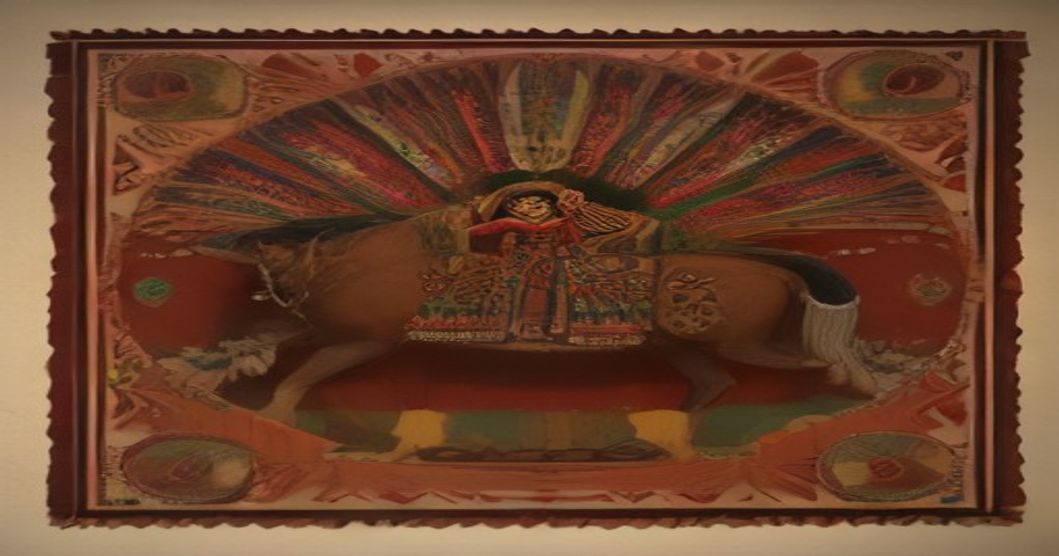
Jacalteco People (Jakalteko / Poptí’) — History, Culture, and Indigenous Worldview of Mexico
Highland Maya Guardians, Matrilineal Kinship, Forest Sacredness, and Biocultural Legacy across Chiapas and Huehuetenango
An expanded trilingual monograph on the Jacalteco (Jakalteko / Poptí’) Maya people. Living across the Altos and Sierra Madre of Chiapas and neighboring Huehuetenango, the Jacalteco embody ancient Maya heritage, sustainable crop rotation, veneration of sacred guardian fauna, and resilient community organization.
Jacalteco People (Jakalteko / Poptí’): History, Culture, and Indigenous Worldview of Mexico
Self-Designation: Poptí’ / Jakalteko (Mayan language family, Q’anjob’alan branch).
Ancestral Territory: High Plateaus and Sierra Madre region of Chiapas, Mexico, alongside the borderlands of Huehuetenango, Guatemala.
Global Population: Tens of thousands of community members preserving unique Maya agricultural systems, matrilineal social structures, and forest ecology.
Introduction
The Jacalteco people, also known as Jakalteco, are one of the last indigenous cultures that still live in Chiapas, Mexico. Their territory is located in the High Plateaus of Chiapas, where the Sierra Madre de Chiapas mountains are located. The Jacalteco culture has been influenced by the presence of the Maya and Zapotec cultures, which is reflected in their art, religion, and traditions.
In the region of Chiapas, the Jacalteco people have developed a unique identity that is based on their connection with nature and their belief in a cosmology that includes jaguars and turkeys, sacred animals that are considered guardians of nature and symbols of fertility and protection. The Jacalteco religion is based on the worship of these animals and is believed to play an important role in protecting nature and society.
Development
Historical Chronology
| Date / Period | Historical Landmark & Impact |
|---|---|
| Pre-Columbian | The presence of the Maya and Zapotec cultures in the region of Chiapas is established, shaping early trade and artistic exchanges. |
| Colonial | The arrival of Catholic missions in the region of Chiapas, which leads to the conversion of many Jacaltecos to Christianity while preserving ancestral spiritual traditions. |
| 19th Century | The region of Chiapas becomes a center of resistance against federal centralization, which leads to involvement in regional movements and the era of the Mexican War of Independence. |
| 20th Century | The establishment of social and economic assistance policies for indigenous communities, leading to institutional support through agencies like the National Commission for the Development of Indigenous Peoples (CONACI / INPI). |
Family and Social Structure
The family is a fundamental element in Jacalteco society, considered a basic unit of society, and based on kinship ties and affection.
The family organization is matrilineal, meaning that property and inheritance are transmitted through the female line. The family is considered a single, indivisible unit and is based on cohesion and mutual respect.
Food and Agriculture
The Jacalteco diet is based on agriculture and hunting, with corn, beans, and other crops being cultivated, and animals such as the pavón (horned guan) and cuervo (raven/crow) being hunted.
Agriculture is based on crop rotation and traditional techniques, considered a sustainable and harmonious way of life that is in balance with nature.
| Animals (Fauna) | Plants (Flora) | Sacred Symbols |
|---|---|---|
| Jaguar & Wild Turkey (Turco) | Maize (Corn) | Nature Guardianship |
| Pavón (Horned Guan) | Beans (Frijol) | Fertility & Protection |
| Cuervo (Raven / Crow) | Highland Forest Flora | Fire & Earth Ceremonies |
Conclusions
In conclusion, the Jacalteco people are a unique and rich culture with traditions and customs that are based on their connection with nature and their belief in a cosmology that includes jaguars and turkeys. The Jacalteco religion is a way of life that is based on the worship of these animals and is believed to play an important role in protecting nature and society.
Pueblo Jacalteco (Jakalteko / Poptí’): Historia, Cultura y Cosmovisión Indígena de México
Autodenominación: Poptí’ / Jakalteko (Familia lingüística Maya, rama Q’anjob’al).
Territorio Histórico: Región de los Altos y Sierra Madre de Chiapas, México, conectada con la zona transfronteriza de Huehuetenango, Guatemala.
Población Estimada: Decenas de miles de habitantes dedicados a la agricultura ecológica, la preservación forestal y la estructura familiar comunitaria.
Introducción
El pueblo Jacalteco, también conocido como Jakalteco o Poptí’, es una de las culturas indígenas con viva presencia en Chiapas, México. Su territorio se encuentra en la región de los Altos de Chiapas, donde se encuentran los cerros y vertientes de la Sierra Madre de Chiapas. La cultura Jacalteco ha sido influenciada por la presencia histórica de las culturas mayas y zapotecas, lo que se refleja en su arte, religión y tradiciones.
En la región de Chiapas, el pueblo Jacalteco ha desarrollado una identidad única que se basa en la conexión con la naturaleza y la creencia en una cosmovisión que incluye a los jaguares y los turcos (guajolotes silvestres), animales sagrados que se consideran guardianes de la naturaleza y los símbolos de la fertilidad y la protección. La religión Jacalteco se basa en la veneración de estos seres y se cree que tienen un papel importante en la protección de la naturaleza y la sociedad.
Desarrollo
Cronología Histórica
| Fecha / Periodo | Acontecimiento Histórico e Impacto Cultural |
|---|---|
| Prehispánico | Se establece la presencia e interacción de las culturas mayas y zapotecas en la región de Chiapas, consolidando rutas comerciales y lingüísticas. |
| Colonial | Arranque de las misiones católicas en la región de Chiapas, lo que lleva a la conversión de muchos jacaltecos al cristianismo y al sincretismo religioso. |
| Siglo XIX | La región de Chiapas se convierte en un centro de resistencia territorial en el contexto de la Guerra de Independencia de México y reordenamientos fronterizos. |
| Siglo XX | Se establecen las políticas de asistencia social e institucional para las comunidades indígenas, que derivan en organismos como la Comisión Nacional para el Desarrollo de los Pueblos Indígenas (CONACI / INPI). |
Organización Familiar
La familia es un elemento fundamental en la sociedad jacalteca; se considera una unidad básica de la sociedad y se basa en lazos de parentesco y afectividad.
La organización familiar tradicional ha mantenido rasgos de matrilinealismo, mediante los cuales la transmisión comunitaria y el linaje de herencia otorgan un papel central a la línea materna. La familia se considera una unidad indivisible basada en la cohesión y el respeto mutuo.
Alimentación y Agricultura
La alimentación jacalteca se basa en la agricultura y la caza sostenible; se cultiva maíz, frijoles y otros alimentos de milpa, y tradicionalmente se ha practicado la caza regulada de especies como el pavón y el cuervo.
La agricultura se basa en la rotación de cultivos y la utilización de técnicas agrícolas tradicionales, considerada una forma de vida sostenible y en armonía con la naturaleza.
| Animales | Plantas | Símbolos |
|---|---|---|
| Jaguar y Turco (Guajolote Silvestre) | Maíz | Protección de la Naturaleza |
| Pavón | Frijoles | Fertilidad y Abundancia |
| Cuervo | Vegetación de Serranía | Cohesión Matrilineal |
Conclusiones
En conclusión, el pueblo Jacalteco es una cultura única y rica en tradiciones y costumbres, que se basa en la conexión con la naturaleza y la creencia en una cosmovisión que incluye a los jaguares y los turcos. La religión y religiosidad Jacalteco es una forma de vida que se basa en la veneración de estos seres sagrados, manteniendo un papel fundamental en la protección del equilibrio social y ecológico.
Le Peuple Jacalteco (Jakalteko / Poptí’): Histoire, Culture et Cosmologie Indigène du Mexique
Auto-désignation: Poptí’ / Jakalteko (Famille linguistique Maya, branche Q’anjob’al).
Territoire Ancestral: Hautes Terres et Sierra Madre du Chiapas (Mexique) et région frontalière de Huehuetenango (Guatemala).
Population Globale: Plusieurs dizaines de milliers de personnes.
Développement / Introduction
Le peuple Jacalteco, également connu sous le nom de Jakalteco ou Poptí’, est l’une des cultures indigènes qui perpétuent la tradition maya au Chiapas, au Mexique. Son territoire se trouve dans les Hautes Terres du Chiapas, où les montagnes de la Sierra Madre de Chiapas sont situées. La culture Jacalteco a été influencée par la présence historique des cultures mayas et zapotèques, ce qui se reflète dans leur art, leur religion et leurs traditions.
Dans la région du Chiapas, le peuple Jacalteco a développé une identité unique qui repose sur leur lien avec la nature et leur croyance dans une cosmologie qui inclut les jaguars et les dindons sauvages (turques), animaux sacrés qui sont considérés comme gardiens de la nature et symboles de la fertilité et de la protection. La religion Jacalteco est basée sur le respect de ces animaux et joue un rôle important dans la préservation de la nature et de la société.
Chronologie
| Date | Événement Historique |
|---|---|
| Avant la colonisation | La présence des cultures mayas et zapotèques dans la région du Chiapas est établie. |
| Époque coloniale | L’arrivée des missions catholiques dans la région du Chiapas conduit à la conversion de nombreux Jacaltecos au christianisme. |
| 19e siècle | La région du Chiapas devient un centre de résistance régionale lors de la période de la guerre d’indépendance mexicaine. |
| 20e siècle | La mise en place de politiques d’aide sociale et économique pour les communautés indigènes conduit à la création d’organismes comme la Commission nationale pour le développement des peuples indigènes (CONACI / INPI). |
Famille et Structure Sociale
La famille est un élément fondamental de la société jacalteco, considérée comme une unité de base de la société et basée sur les liens de parenté et l’affection.
La structure familiale conserve des traits matrilinéaires, ce qui signifie que la transmission des coutumes et de l’héritage valorise fortement la ligne féminine. La famille est considérée comme une unité indivisible basée sur la cohésion et le respect mutuel.
Alimentation et Agriculture
L’alimentation jacalteco repose sur l’agriculture et la chasse traditionnelle, avec du maïs, des haricots et d’autres cultures locales, ainsi que la chasse régulée d’animaux tels que le pavon et le corbeau.
L’agriculture repose sur la rotation des cultures et sur les techniques traditionnelles, considérées comme une manière de vivre durable et en harmonie avec la nature.
| Animaux | Plantes | Symboles |
|---|---|---|
| Jaguar & Dindon Sauvage (Turco) | Maïs | Protection de la Nature |
| Pavon | Haricots | Fertilité et Harmonie |
| Corbeau | Flore des Hautes Terres | Cohésion Matrilinéaire |
Conclusion
En conclusion, le peuple Jacalteco est une culture unique et riche en traditions et coutumes, basée sur leur lien avec la nature et leur croyance en une cosmologie qui inclut les jaguars et les dindons sauvages. La religion jacalteco est une manière de vivre qui repose sur le respect de ces animaux sacrés pour maintenir l’équilibre écologique et social.
Preguntas Frecuentes / FAQ / Questions Fréquentes
Q: ¿Cuándo se estableció la presencia de las culturas mayas y zapotecas en la región de Chiapas? / When was Maya and Zapotec influence established?
A: La presencia e interacción de las culturas mayas y zapotecas en la región de Chiapas se estableció durante la época prehispánica, consolidando rutas de intercambio cultural y comercial en la Mesoamérica ancestral.
Q: ¿Cómo se ha desarrollado la identidad del pueblo Jacalteco? / How has Jacalteco identity developed?
A: La identidad del pueblo Jacalteco (Poptí’) se ha desarrollado a partir de su conexión profunda con la naturaleza, sus prácticas agrícolas sostenibles y su cosmovisión que incluye al jaguar y al turco como animales guardianes de la fertilidad y la protección.
Q: ¿Qué papel juegan la religión y la tradición en la sociedad Jacalteco? / What role do religion and tradition play?
A: La religión y la tradición son fundamentales en la sociedad Jacalteco; se consideran una forma de vida que equilibra el trabajo agrícola comunitaria, la cohesión familiar matrilineal y el respeto ritual por los elementos naturales.
Explora Más
Explora más sobre las culturas indígenas de México en nuestro archivo abierto y gratuito en Mexican Library (mexicanlibrary.org).
Visitar The Mayan Library Repository ↗Bibliografía / References / Références
- INAH. (s.f.). Desarrollo e investigación de las culturas indígenas en México. Instituto Nacional de Antropología e Historia. (https://www.inah.gob.mx)
- INPI / CONACI. (s.f.). Monografía del Pueblo Jacalteco (Poptí’). Instituto Nacional de los Pueblos Indígenas. (https://www.gob.mx/inpi)
- UNESCO. (s.f.). Protección de la biodiversidad y conservación de la cultura Maya. (https://es.unesco.org)
- Mediateca INAH. (s.f.). Archivos Etnográficos y Lingüísticos de Chiapas. Mediateca Digital. (https://mediateca.inah.gob.mx)
- Sistema de Información Cultural (SIC). (s.f.). Pueblos Indígenas de Chiapas: Jacaltecos. Secretaría de Cultura de México. (https://sic.cultura.gob.mx)
- Biblioteca Nacional de México UNAM. (s.f.). Colecciones de literatura, lingüística y arte indígena Maya. UNAM. (http://www.bnm.unam.mx)
Pueblo Jacalteco, Jakalteko, Poptí’, Mayas de Chiapas, Altos de Chiapas, Sierra Madre de Chiapas, Huehuetenango, lengua Poptí, rotación de cultivos, organización matrilineal, jaguar sagrado, turco guajolote, etnografía de Chiapas, Mexican Library, Mayan Library, patrimonio indígena de México.
Discover Your Personal Nahua Birth Oracle
Are you ready to calculate the exact ancestral energies imprinted upon you at the moment of your birth?
Get your Free Mexican Nahua Oracle Written by Josef S.
An exclusive, mathematically precise report engineered to decode your unique spiritual destiny.
If you feel a profound calling to physically connect with the ancient lands where these sacred counts were carved into stone, we highly encourage booking your next mindful journey through our trusted luxury partners at Tulum rent and Sesy rent—providing exquisite, spiritually harmonized accommodations along the Mexican Caribbean. Furthermore, elevate your daily rituals by visiting sesy.shop to explore our curated collection of meditation tools, authentic artisan crafts, and deep-dive literature.
Mexican Library Repository · Pueblo Jacalteco (Jakalteko / Poptí’) — Historia, Cultura y Cosmovisión Indígena de México · free, open-source, and ethically shared with global scholars.