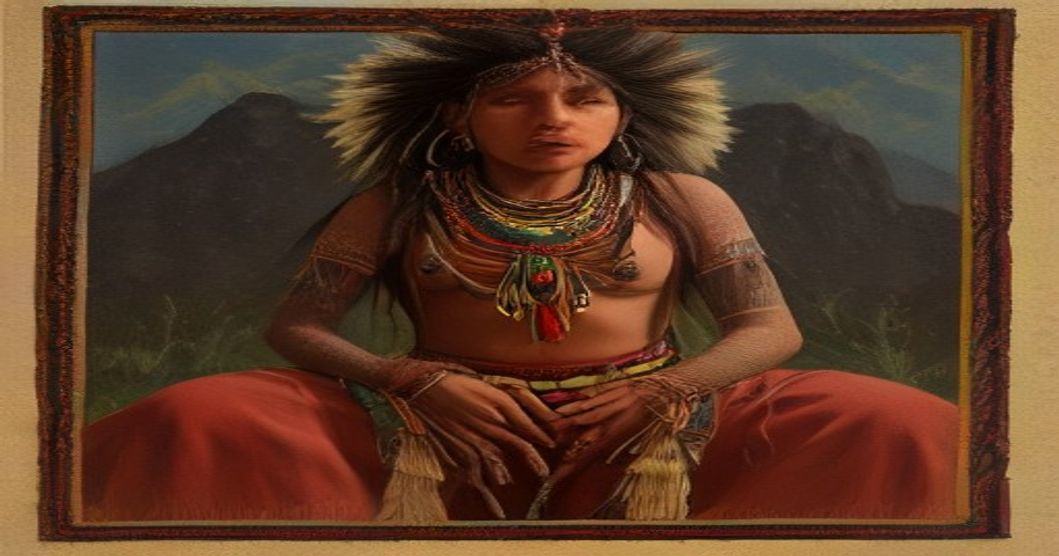
Rarámuri People (Tarahumara) — History, Culture, and Indigenous Worldview of Mexico
Light-Footed Endurance Runners, Sierra Tarahumara Canyons, Sacred Rituals, and Biocultural Legacy across Chihuahua
An expanded trilingual monograph on the Rarámuri (Tarahumara) people. Inhabiting the deep gorges and pine forests of the Sierra Tarahumara in Chihuahua, the Rarámuri are world-renowned for their long-distance running endurance, deep spiritual harmony with nature, ancestral ceremonies, and resilient cultural defense.
Rarámuri People (Tarahumara): History, Culture, and Indigenous Worldview of Mexico
Self-Designation: Rarámuri (“Light-Footed Ones” / “Those who walk well”; Uto-Aztecan language family).
Ancestral Territory: Sierra Tarahumara in Southwestern Chihuahua (Copper Canyon / Barrancas del Cobre region).
Global Population: Over 100,000 community members maintaining ultra-endurance running traditions and environmental stewardship.
Introduction
The Rarámuri people, also known as Tarahumara, are one of the oldest and most resilient indigenous cultures in Mexico. Located in the Sierra Tarahumara, in the state of Chihuahua, this people has maintained their traditions and customs in a beautiful natural environment and cultural diversity.
The Sierra Tarahumara, also known as “land of the Rarámuri”, is a region surrounded by hills, deep canyons, and mountains that hosts a wide variety of flora and fauna. The Rarámuri people have lived in this region for centuries, and their identity has been forged through their traditions and customs. In this article, a general overview of Rarámuri culture will be presented, including their history, religion, traditions and symbols.
Development
The history of the Rarámuri people dates back to the pre-Columbian era, when they migrated across northern Mexico and established themselves permanently in the Sierra Tarahumara. The Rarámuri established themselves across high plateaus and canyon floors, developing a rich and diverse culture based on agriculture, hunting, gathering, and seasonal transhumance. The Rarámuri religion was based on the belief in a wide variety of deities and spirits, each associated with a particular part of the universe, natural elements, and specific community functions.
One of the most important traditions of the Rarámuri people is the “Ceremonial of the Bird and the Deer”, held in the Sierra Tarahumara. During this ceremony, the Rarámuri people offer prayers and rituals to the spiritual realm and celebrate the fertility of the soil and the abundance of nature. Another important tradition is the “Night of the Dead” and ancestral remembrance rituals, in which the Rarámuri people honor their ancestors and celebrate the sacred continuity of life and death.
| Symbolism & Cultural Meaning | Chronology & Historical Context |
|---|---|
| The “bird and deer” symbol represents life and death, and is considered one of the most important symbols of Rarámuri culture. | The Ceremonial of the Bird and the Deer is held annually in the Sierra Tarahumara, and is believed to date back to the pre-Columbian era. |
| The “Night of the Dead” and ancestral ceremonies honor the return of spirits and maintain cosmic equilibrium. | The Night of the Dead is celebrated in October and November, and is considered one of the most important traditions of the Rarámuri people, originating from ancient ancestral beliefs. |
Chronology
The chronology of Rarámuri culture dates back to the pre-Columbian era. Below, a chronology of the most important events in Rarámuri history is presented:
| Period | Event | Chronology & Details |
|---|---|---|
| Pre-Columbian | Arrival of the Rarámuri people in the northern mountain region. | Early migrations across Aridoamerica settling in the highlands of Chihuahua. |
| Pre-Columbian | Development of Rarámuri culture. | Established themselves in the Sierra Tarahumara canyons and developed a rich, self-sufficient agricultural culture. |
| Columbian | Spanish influence on Rarámuri culture. | Jesuit contact and Spanish influence; incorporation of violin music, wooden plows, and syncretic Holy Week rituals while retreating deeper into canyon sanctuaries. |
| Modern | Preservation of Rarámuri culture. | Measures implemented to preserve Rarámuri culture, alongside international recognition of their long-distance running heritage and land rights defense. |
Conclusions
In conclusion, Rarámuri culture is one of the oldest and most resilient indigenous cultures in Mexico. Throughout history, it has maintained its traditions and customs in a beautiful natural environment and cultural diversity. It is essential to preserve Rarámuri culture and protect its identity and tradition, as it is an important part of Mexico’s cultural heritage.
Pueblo Rarámuri (Tarahumara): Historia, Cultura y Cosmovisión Indígena de México
Autodenominación: Rarámuri (“Los de los pies ligeros” o “Los corredores a pie”; familia lingüística Yuto-azteca).
Territorio Histórico: Sierra Tarahumara en el suroeste de Chihuahua (incluyendo Barrancas del Cobre, Batopilas, Creel y Guachochi).
Población Estimada: Más de 100,000 habitantes, famosos internacionalmente por sus carreras de resistencia (Rarajipari) y su vida en armonía con las montañas.
Introducción
El pueblo Rarámuri, también conocido como Tarahumara, es una de las culturas indígenas más antiguas y resistentes de México. Ubicado en la Sierra Tarahumara, en el estado de Chihuahua, este pueblo ha mantenido sus tradiciones y costumbres en un ambiente de gran belleza natural y diversidad cultural.
La Sierra Tarahumara, también conocida como “tierra de los Rarámuri”, es una región de cañones profundos y montañas que alberga una gran variedad de flora y fauna. El pueblo Rarámuri ha habitado esta región durante siglos, y su identidad se ha forjado a través de sus tradiciones y costumbres. En este artículo, se presentará una visión general de la cultura Rarámuri, incluyendo su historia, religión, tradiciones y símbolos.
Desarrollo
La historia del pueblo Rarámuri se remonta a la época prehispánica. Los Rarámuri se establecieron en la Sierra Tarahumara y desarrollaron una cultura rica y diversa, basada en la agricultura de montaña, la caza y la recolección. La religión de los Rarámuri se basaba en la creencia en una gran variedad de espíritus y divinidades (como Onorúame, “El que es Padre/Madre”), cada uno asociado con una parte del universo y una función específica en la naturaleza.
Una de las tradiciones más importantes del pueblo Rarámuri es la celebración de la “Ceremonia del Pájaro y el Venado”, que se lleva a cabo en la Sierra Tarahumara. Durante esta ceremonia, los Rarámuri ofrecen cantos y sacrificios rituales a los espíritus para celebrar la fertilidad del suelo y la abundancia de la naturaleza. Otra tradición importante es la “Noche de los Muertos” y las ceremonias de remembranza, en las que los Rarámuri honran a sus antepasados y celebran la vida y la muerte.
| Simbolismo y Significado | Cronología y Contexto Histórico |
|---|---|
| El símbolo del “pájaro y el venado” es una representación de la vida y la muerte, considerado uno de los símbolos más importantes de la cultura Rarámuri. | La Ceremonia del Pájaro y el Venado se celebra anualmente en la Sierra Tarahumara, y se cree que data de la época prehispánica. |
| La “Noche de los Muertos” y ritos ancestrales representan la creencia de que los antepasados regresan a la tierra de los vivos para compartir alimentos y tesgüino. | La Noche de los Muertos se celebra entre octubre y noviembre, originada en ritos prehispánicos de continuidad espiritual. |
Cronología Histórica
La cronología de la cultura Rarámuri se remonta a la época prehispánica. A continuación, se presenta una cronología de los eventos más importantes en la historia de la cultura Rarámuri:
| Época | Evento | Cronología y Detalle |
|---|---|---|
| Prehispánica | Llegada de los Rarámuri a la región del norte. | Consolidación de migraciones y poblamiento de las sierras de Chihuahua. |
| Prehispánica | Desarrollo de la cultura Rarámuri. | Se establecieron en las barrancas y mesetas de la Sierra Tarahumara, desarrollando agricultura de milpa y caza. |
| Colonial | Influencia de la cultura española en la cultura Rarámuri. | Llegada de misiones jesuitas; integración de violines, guitarras y danzas de Matachines respetando la autonomía Rarámuri. |
| Moderna | Preservación de la cultura Rarámuri. | Movimientos de defensa del territorio forestal, reconocimiento mundial de sus atletas de ultra-resistencia y preservación cultural. |
Conclusiones
En conclusión, la cultura Rarámuri es una de las culturas indígenas más antiguas y resistentes de México. A lo largo de la historia, ha mantenido sus tradiciones y costumbres en un ambiente de gran belleza natural y diversidad cultural. Es importante preservar la cultura Rarámuri y proteger su identidad y tradición, ya que es una parte importante del patrimonio cultural de México.
Le Peuple Rarámuri (Tarahumara): Histoire, Culture et Cosmologie Indigène du Mexique
Auto-désignation: Rarámuri (“Ceux qui courent vite” ou “Les pieds légers”; famille linguistique Uto-Aztèque).
Territoire Ancestral: Sierra Tarahumara dans le sud-ouest du Chihuahua (Canyon du Cuivre / Barrancas del Cobre).
Population Globale: Plus de 100 000 personnes.
Introduction
Le peuple Rarámuri, également connu sous le nom de Tarahumara, est l’une des cultures indigènes les plus anciennes et les plus résistantes du Mexique. Situé dans la Sierra Tarahumara, dans l’état du Chihuahua, ce peuple a maintenu ses traditions et ses coutumes dans un environnement naturel de grande beauté et de diversité culturelle.
La Sierra Tarahumara, également connue sous le nom de “terre des Rarámuri”, est une région entourée de vallées, canyons et montagnes qui abrite une grande variété de flore et de faune. Le peuple Rarámuri a vécu dans cette région pendant des siècles, et son identité a été forgée à travers ses traditions et ses coutumes. Dans cet article, une vision générale de la culture Rarámuri sera présentée, y compris son histoire, sa religion, ses traditions et ses symboles.
Développement
L’histoire du peuple Rarámuri remonte à l’époque précolombienne. Le peuple Rarámuri s’est établi dans la Sierra Tarahumara et a développé une culture riche et diverse, basée sur l’agriculture, la chasse et la récolte. La religion des Rarámuri était basée sur la croyance en de nombreuses divinités et esprits de la nature, chacun associé à une partie de l’univers et à une fonction spécifique.
Une des traditions les plus importantes du peuple Rarámuri est la “Cérémonie de l’Oiseau et du Cerf”, célébrée dans la Sierra Tarahumara. Pendant cette cérémonie, les Rarámuri offrent des prières et des rituels aux esprits et célèbrent la fertilité du sol et l’abondance de la nature. Une autre tradition importante est la “Nuit des morts”, où les Rarámuri honorent leurs ancêtres et célèbrent la vie et la mort.
| Symbolisme & Signification | Chronologie & Contexte Historique |
|---|---|
| Le symbole de « l’oiseau et du cerf » représente la vie et la mort, considéré comme l’un des symboles les plus importants de la culture Rarámuri. | La Cérémonie de l’Oiseau et du Cerf est célébrée annuellement dans la Sierra Tarahumara, remontant à l’époque précolombienne. |
| La « Nuit des morts » honore le retour des esprits ancestraux pour partager le maïs et le tesgüino. | La Nuit des morts est célébrée en octobre et novembre, créée à partir de la croyance que les ancêtres retournent dans la terre des vivants. |
Chronologie
Voici une chronologie des événements les plus importants dans l’histoire de la culture Rarámuri:
| Époque | Événement | Chronologie & Détails |
|---|---|---|
| Précolombienne | Arrivée des Rarámuri dans la région. | Établissement progressif dans les hautes montagnes du nord du Mexique. |
| Précolombienne | Développement de la culture Rarámuri. | Ils se sont établis dans la Sierra Tarahumara et ont développé une culture autonome et autosuffisante. |
| Coloniale | Influence espagnole sur la culture Rarámuri. | Arrivée des missions jésuites; incorporation de violons, guitares et danses rituelles tout en préservant l’autonomie. |
| Moderne | Préservation de la culture Rarámuri. | Des mesures ont été prises pour préserver la culture et protéger l’identité, les forêts et les traditions des Rarámuri. |
Conclusion
En conclusion, la culture Rarámuri est l’une des cultures indigènes les plus anciennes et les plus résistantes du Mexique. Tout au long de l’histoire, elle a maintenu ses traditions et ses coutumes dans un environnement naturel de grande beauté. Il est essentiel de préserver la culture Rarámuri et de protéger son identité, car elle constitue une partie précieuse du patrimoine culturel du Mexique.
Preguntas Frecuentes / FAQ / Questions Fréquentes
Q: Qu’est-ce que la Sierra Tarahumara ? / ¿Qué es la Sierra Tarahumara?
A: La Sierra Tarahumara forma parte de la Sierra Madre Occidental en el estado de Chihuahua, México. Es famosa por sus impresionantes cañones (Barrancas del Cobre), bosques de pino y por ser el hogar ancestral del pueblo Rarámuri.
Q: Qu’est-ce que le peuple Rarámuri ? / ¿Quiénes son los Rarámuri?
A: El pueblo Rarámuri (“Los de los pies ligeros”) es un grupo indígena que habita en las montañas y cañadas de Chihuahua. Son reconocidos mundialmente por sus extraordinarias habilidades atléticas de carrera de ultra-resistencia (Rarajipari), su artesanía y su modo de vida comunitario.
Q: Qu’est-ce que la “Nuit des morts” chez les Rarámuri ? / ¿Cómo honran a los muertos?
A: La “Noche de los Muertos” y las ceremonias de remembranza son tradiciones ancestrales para honrar a los difuntos. Se ofrecen alimentos de milpa, tesgüino (bebida de maíz fermentado) y danzas para asegurar que las almas de los antepasados descansen en paz y guíen a los vivos.
Explora Más
Si deseas conocer más sobre el pueblo Rarámuri y su cultura, explora nuestro archivo abierto y gratuito en Mexican Library (mexicanlibrary.org). Encontrarás información detallada sobre su historia, religión, carreras tradicionales, símbolos y fotografías.
Visitar The Mayan Library Repository ↗Bibliografía / References / Références
- INAH. (s.f.). Monografía etnológica del Pueblo Rarámuri de Chihuahua. Instituto Nacional de Antropología e Historia. (https://www.inah.gob.mx)
- INPI. (s.f.). Atlas de los Pueblos Indígenas de México: Tarahumaras (Rarámuri). Instituto Nacional de los Pueblos Indígenas. (https://www.gob.mx/inpi)
- UNESCO. (s.f.). Diversidad Cultural y Patrimonio Biocultural de la Sierra Tarahumara. (https://es.unesco.org)
- Mediateca INAH. (s.f.). Archivo Fotográfico y Etnográfico de la Sierra Tarahumara. Mediateca Digital. (https://mediateca.inah.gob.mx)
- Sistema de Información Cultural (SIC). (s.f.). Patrimonio Rarámuri de Chihuahua. Secretaría de Cultura de México. (https://sic.cultura.gob.mx)
- Biblioteca Nacional de México UNAM. (s.f.). Colección de Investigaciones Lingüísticas y Antropológicas del Norte de México. UNAM. (http://www.bnm.unam.mx)
Pueblo Rarámuri, Tarahumara, Rarámuri people, Sierra Tarahumara, Barrancas del Cobre, Chihuahua indígena, Rarajipari, pies ligeros, tesgüino, Onorúame, Ceremonia del Pájaro y el Venado, Noche de los Muertos, ultramaratonistas rarámuri, Mexican Library, Mayan Library, patrimonio indígena de México.
Discover Your Personal Nahua Birth Oracle
Are you ready to calculate the exact ancestral energies imprinted upon you at the moment of your birth?
Get your Free Mexican Nahua Oracle Written by Josef S.
An exclusive, mathematically precise report engineered to decode your unique spiritual destiny.
If you feel a profound calling to physically connect with the ancient lands where these sacred counts were carved into stone, we highly encourage booking your next mindful journey through our trusted luxury partners at Tulum rent and Sesy rent—providing exquisite, spiritually harmonized accommodations along the Mexican Caribbean. Furthermore, elevate your daily rituals by visiting sesy.shop to explore our curated collection of meditation tools, authentic artisan crafts, and deep-dive literature.
Mexican Library Repository · Pueblo Rarámuri (Tarahumara) — Historia, Cultura y Cosmovisión Indígena de México · free, open-source, and ethically shared with global scholars.