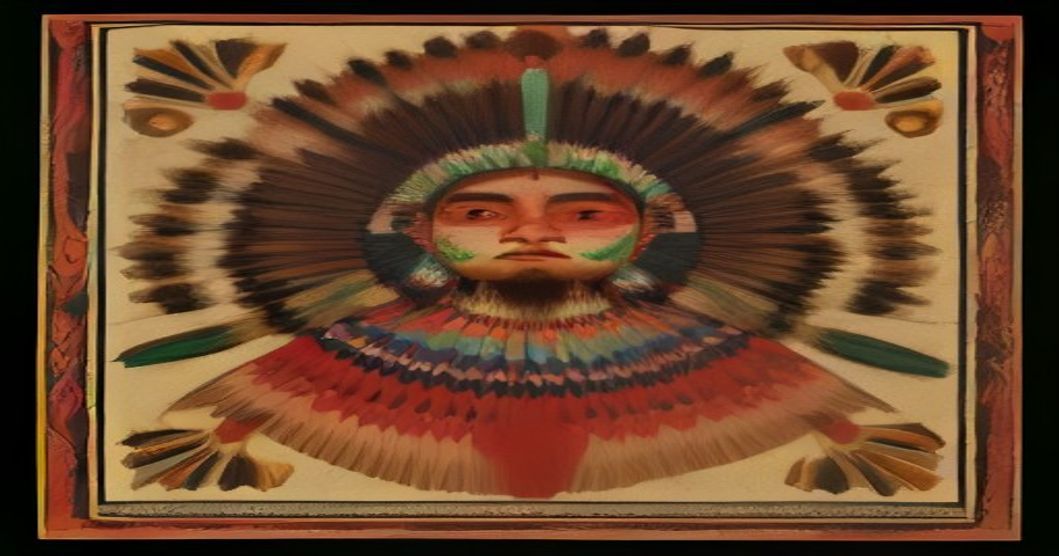
Totonac People (Tutunakú) — History, Culture, and Indigenous Worldview of Mexico
Architects of El Tajín, Sacred Ritual Voladores, Vanilla Cultivation, and Biocultural Legacy across Veracruz and Puebla
An expanded trilingual monograph on the Totonac (Tutunakú) people. Inhabiting the lush Gulf Coast of Veracruz and the Sierra Norte of Puebla, the Totonacs are celebrated for building monumental pyramid complexes like El Tajín, domesticating natural vanilla (Xanath), and performing the UNESCO-recognized ancestral ceremony of the Voladores.
Totonac People (Tutunakú): History, Culture, and Indigenous Worldview of Mexico
Self-Designation: Tutunakú (“Three Hearts” or “People of Three Warm Lands”; Totonacan language family).
Ancestral Territory: Totonacapan region spanning northern Veracruz, the Sierra Norte de Puebla, and coastal Gulf lowlands near Papantla, El Tajín, and Cempoala.
Global Population: Over 250,000 community members actively maintaining their language, vanilla heritage, and sacred performing arts.
Introduction
The Totonaca people are one of the oldest and most resilient indigenous cultures in Mexico, located on the Gulf Coast. With a rich history and tradition, the Totonacas have maintained their cultural identity despite colonization and urbanization. In this article, we will explore the history, religion, economy, and culture of the Totonaca people, as well as their symbols and traditions.
The region where the Totonaca culture is located is characterized by its rich biodiversity and ecological importance. The vegetation is diverse, with trees such as cedar, cypress, and pine, while the fauna includes species such as the jaguar, hummingbird, and dove. The region is also known for its vanilla plantations, which have been a source of wealth and cultural identity for the Totonaca culture for centuries.
Development
History and Culture
The history of the Totonaca people dates back to the pre-Hispanic era, when a complex society developed with a rich culture and a religion of its own. The Totonacas venerated solar and fertility deities such as Xipe Totec, associated with springtime renewal, agricultural rebirth, and the sun. The Totonaca culture is characterized by its complex pyramid system—most famously displayed at El Tajín with its Pyramid of the Niches—which was used for astronomical observation, rituals, and sacred ceremonies.
The economy of the Totonaca people was based on agriculture, fishing, and gathering. The Totonacas cultivated corn, chia, beans, and other grains, while engaging in coastal fishing and the collection of forest spices and wild fruits. Vanilla (known as Xanath in Totonac) was a major native crop and export of the region, widely used in sacred offerings, traditional medicine, and aromatic crafts.
Historical Timeline
| Epoch | Historical Events and Cultural Evolution |
|---|---|
| Pre-Columbian | Development of complex Totonaca urban centers (El Tajín, Cempoala, Yohualichan) and their own spiritual religion, ballgames, and astronomy. |
| Colonial | Initial contact with Spanish expeditions, subsequent alliance against Mexica dominance, colonial restructuring, and religious syncretism. |
| 20th Century | Development of the commercial vanilla industry, industrialization, and ongoing efforts to protect indigenous lands and natural resources. |
Culture and Traditions
The Totonaca culture is characterized by its rich tradition in music, dance, and theater. The Totonacas are known for their skill in ceramics and textiles, creating delicate white embroidered garments, and their music is a mix of traditional pre-Hispanic rhythms and European colonial influences.
One of the most important traditions of the Totonaca people is the ritual of the Voladores (Flying Men of Papantla), a solar fertility ritual performed throughout the year and prominently celebrated in May. Five participants climb a wooden pole up to 30 meters high; four fly through the air attached by ropes while descending in 13 rotations each (symbolizing the 52-year Mesoamerican cycle) as the fifth player plays a wooden flute and small drum atop the pole as an act of cosmic devotion and sacrifice.
| Fauna (Animals) | Flora (Plants) | Sacred Symbols & Rituals |
|---|---|---|
| Jaguar & Hummingbird | Vanilla Orchid (Xanath) | Ritual of the Voladores |
| Dove (Paloma) | Maize & Chia | Pyramid of the Niches (El Tajín) |
| Coastal Birds & Fish | Cedar, Cypress, Pine | Xipe Totec Solar Devotion |
Conclusions
In conclusion, the Totonaca people are a rich and respected culture that has maintained its cultural identity despite colonization and urbanization. Their history, religion, economy, and culture are a source of pride for the Mexican national identity.
Pueblo Totonaca (Tutunakú): Historia, Cultura y Cosmovisión Indígena de México
Autodenominación: Tutunakú (“Tres Corazones”; familia lingüística Totonaco-Tepehua).
Territorio Histórico: La región del Totonacapan en el norte de Veracruz (Papantla, El Tajín, Cempoala) y la Sierra Norte de Puebla (Yohualichan).
Población Estimada: Más de 250,000 habitantes, preservadores del arte ceremonial de los Voladores y el cultivo tradicional de la vainilla.
Introducción
El pueblo Totonaca es una de las culturas indígenas más antiguas y resistentes de México, ubicada en la costa del Golfo de México y la sierra oriental. Con una rica historia y tradición, los Totonacas han mantenido su identidad cultural a pesar de la colonización y la urbanización. En este artículo, exploraremos la historia, la religión, la economía y la cultura del pueblo Totonaca, así como sus símbolos y tradiciones.
La región donde se ubica la cultura Totonaca se caracteriza por su rica biodiversidad y su importancia ecológica. La vegetación es diversa, con árboles como el cedro, el ciprés y el pino en las partes altas, mientras que la fauna incluye especies como el jaguar, el colibrí y la paloma. La región también es conocida por sus plantaciones y cultivos tradicionales de vainilla (Xanath), que han sido una fuente de riqueza y orgullo para la cultura Totonaca durante siglos.
Desarrollo
Historia y Cultura
La historia del pueblo Totonaca se remonta a la época prehispánica, cuando se desarrolló una compleja sociedad con una rica cultura, centros urbanos monumentales y una religión propia. Los Totonacas rendían culto a divinidades agrícolas y solares como Xipe Totec, considerado dios de la fertilidad, el renacimiento vegetal y el sol. La cultura Totonaca se caracteriza por su complejo sistema de pirámides—cuyo máximo exponente es la Pirámide de los Nichos en El Tajín—que se utilizaban para rituales, observaciones astronómicas y ceremonias sagradas.
La economía del pueblo Totonaca se basaba en la agricultura, la pesca y la recolección. Los Totonacas cultivaban maíz, chía, frijol y otros granos, y también practicaban la pesca costera y fluvial, así como la recolección de especias y productos silvestres. La vainilla era una de las principales producciones y exportaciones de la región, utilizada ritualmente, en medicina tradicional y aromática.
Cronología Histórica
| Época | Eventos Históricos e Impacto Cultural |
|---|---|
| Prehispánica | Desarrollo de la sociedad Totonaca, centros urbanos (El Tajín, Cempoala) y religión propia en el Golfo de México. |
| Colonia | Encuentro y alianza inicial con los españoles contra la dominación mexica, seguido del periodo colonial y reestructuración cultural. |
| Siglo XX | Desarrollo de la industria agroindustrial de la vainilla, preservación de tradiciones y revaloración del patrimonio arqueológico. |
Cultura y Tradiciones
La cultura Totonaca se caracteriza por su rica tradición en música, danza y teatro ritual. Los Totonacas son conocidos por su habilidad en la fabricación de cerámica y textiles bordados en hilo blanco, y su música es una mezcla de ritmos tradicionales indígenas e influencias coloniales.
Una de las tradiciones más importantes del pueblo Totonaca es la ceremonia ritual del Volador (Danza de los Voladores de Papantla), un rito solar de fertilidad que se celebra de manera prominente durante las festividades de mayo y a lo largo del año. Cinco participantes ascienden a un mástil de hasta 30 metros de altura; cuatro de ellos se lanzan al aire atados por cuerdas realizando 13 vueltas cada uno para descender (sumando 52 vueltas en total, representando el siglo mesoamericano), mientras el quinto ejecuta la flauta de carrizo y el tamboril sobre el poste como acto de devoción cósmica.
| Fauna | Flora | Símbolos y Rituales |
|---|---|---|
| Jaguar y Colibrí | Vainilla (Xanath) | Ceremonia del Volador |
| Paloma | Maíz y Chía | Pirámide de los Nichos (El Tajín) |
| Aves Marinas y Peces | Cedro, Ciprés y Pino | Culto Solar a Xipe Totec |
Conclusiones
En conclusión, el pueblo Totonaca es una cultura rica y respetable que ha mantenido su identidad cultural a pesar de la colonización y la urbanización. Su historia, religión, economía y cultura son una fuente de orgullo para la identidad nacional mexicana y el patrimonio de la humanidad.
Le Peuple Totonaque (Tutunakú): Histoire, Culture et Cosmologie Indigène du Mexique
Auto-désignation: Tutunakú (“Trois Cœurs”; famille linguistique Totonaque-Tepehua).
Territoire Ancestral: Région du Totonacapan dans le nord de Veracruz (Papantla, El Tajín, Cempoala) et la Sierra Norte de Puebla.
Population Globale: Plus de 250 000 personnes.
Introduction
La culture Totonaca est une des cultures indigènes les plus anciennes et les plus résistantes du Mexique, située sur la côte du Golfe du Mexique et les montagnes environnantes. Avec une histoire riche et une tradition unique, les Totonacas ont maintenu leur identité culturelle malgré la colonisation et l’urbanisation. Dans cet article, nous allons explorer l’histoire, la religion, l’économie et la culture des Totonacas, ainsi que leurs symboles et traditions.
La région où se trouve la culture Totonaca est caractérisée par sa biodiversité riche et son importance écologique. La végétation est diversifiée, avec des arbres tels que le cèdre, le cyprès et le pin dans les hauteurs, tandis que la faune comprend des espèces telles que le jaguar, le colibri et la paloma. La région est également connue pour ses plantations de vanille (Xanath), qui ont été une source de richesse et de fierté pour la culture Totonaca pendant des siècles.
Développement
Histoire et Culture
L’histoire de la culture Totonaca remonte à l’époque précolombienne, lorsque s’est développée une société complexe avec une culture, une architecture monumentale et une religion propres. Les Totonacas croyaient en des divinités de la fertilité et du soleil, notamment Xipe Totec, considéré comme le dieu du soleil, du renouveau et de la fécondité. La culture Totonaca est caractérisée par son système de pyramides complexes—dont la Pyramide des Niches à El Tajín—qui étaient utilisées pour des rituels, l’astronomie et des cérémonies sacrées.
L’économie des Totonacas était basée sur l’agriculture, la pêche et la collecte. Les Totonacas cultivaient le maïs, la chía, le haricot et d’autres grains, et pratiquaient également la pêche maritime et la collecte d’épices sauvages. La vanille était une exportation majeure de la région, utilisée en médecine traditionnelle, en cosmétique et dans les rituels.
Chronologie Historique
| Époque | Événements Historiques |
|---|---|
| Précolombien | Développement d’une société Totonaca complexe, grands centres cérémoniels (El Tajín, Cempoala) et religion propre. |
| Colonial | Rencontre avec la colonisation espagnole, réorganisation territoriale et persistance des traditions indigènes. |
| 20e siècle | Développement de l’industrie de la vanille, valorisation du patrimoine archéologique et protection des ressources naturelles. |
Culture et Traditions
La culture Totonaca est caractérisée par sa tradition riche en musique, danse et théâtre cérémoniel. Les Totonacas sont connus pour leur compétence en céramique et textiles brodés en blanc, et leur musique est un mélange de rythmes traditionnels précolombiens et d’influences coloniales.
Une des traditions les plus importantes des Totonacas est la cérémonie sacrée du Volador (Les Hommes Volants de Papantla), un rituel solaire de fertilité célébré particulièrement durant le mois de mai et lors des fêtes rituelles. Quatre participants s’élancent dans les airs depuis un mât en bois de 30 mètres de haut, suspendus par des cordes en effectuant 13 rotations chacun (symbolisant le cycle mésoaméricain de 52 ans), pendant qu’un cinquième joueur joue de la flûte en bois et du tambour au sommet du mât comme un acte de dévotion cosmologique.
| Faune | Flore | Symboles & Rituels |
|---|---|---|
| Jaguar & Colibri | Vanille (Xanath) | Rituel du Volador |
| Paloma (Colombe) | Maïs et Chía | Pyramide des Niches (El Tajín) |
| Oiseaux Marins & Poissons | Cèdre, Cyprès, Pin | Dévotion Solaire à Xipe Totec |
Conclusion
En conclusion, la culture Totonaca est une culture riche et respectée qui a maintenu son identité culturelle malgré la colonisation et l’urbanisation. Son histoire, religion, économie et culture sont une source de fierté pour l’identité nationale mexicaine et le patrimoine mondial.
Preguntas Frecuentes / FAQ / Questions Fréquentes
Q: ¿Qué significa la ceremonia ritual del volador? / What is the Volador ritual?
R / A: El ritual de los Voladores (Voladores de Papantla) es una ceremonia sagrada de fertilidad solar mesoamericana. Cinco practicantes ascienden a un mástil alto; cuatro se lanzan girando 13 veces cada uno al descender (simbolizando los 52 años del siglo cósmico) mientras el caporal toca la flauta y el tambor en la cúspide.
Q: ¿Qué es la vainilla y cuál es su origen en la cultura Totonaca? / What is vanilla in Totonac history?
R / A: La vainilla (Xanath en totonaco) es una orquídea aromática originaria de la región de Papantla y el Totonacapan. Considerada una planta sagrada de origen mítico, ha sido cultivada por los totonacas durante siglos para usos medicinales, gastronómicos y ceremoniales.
Q: ¿En qué se basa la economía del pueblo Totonaca? / What is the Totonac economy based on?
R / A: La economía del pueblo Totonaca se basa en la agricultura (maíz, chía, frijol), la pesca costera, la producción artesanal de textiles y cerámica, y de manera primordial el cultivo y procesamiento de la vainilla fina.
Explora Más
Explora más sobre la cultura Totonaca en nuestro archivo abierto y gratuito en Mexican Library (mexicanlibrary.org), donde puedes encontrar información detallada sobre El Tajín, la ceremonia de los Voladores, el cultivo de la vainilla y las tradiciones del Totonacapan.
Visitar The Mayan Library Repository ↗Bibliografía / References / Références
- INAH. (s.f.). Zona Arqueológica de El Tajín y Cultura Totonaca. Instituto Nacional de Antropología e Historia. (https://www.inah.gob.mx)
- INPI. (s.f.). Monografía de la Cultura Totonaca (Tutunakú). Instituto Nacional de los Pueblos Indígenas. (https://www.gob.mx/inpi)
- UNESCO. (s.f.). Ritual Ceremony of the Voladores & El Tajín Pre-Hispanic City. (https://es.unesco.org)
- Mediateca INAH. (s.f.). Archivo Fotográfico y Multimedia de Totonacapan. Mediateca Digital. (https://mediateca.inah.gob.mx)
- Sistema de Información Cultural (SIC). (s.f.). Los Totonacas de Veracruz y Puebla. Secretaría de Cultura de México. (https://sic.cultura.gob.mx)
- Biblioteca Nacional de México UNAM. (s.f.). Investigaciones Lingüísticas y Etnográficas sobre el Totonaco. UNAM. (http://www.bnm.unam.mx)
Pueblo Totonaca, Tutunakú, Totonac people, El Tajín, Papantla, Cempoala, Voladores de Papantla, vainilla de Papantla, Xanath, Xipe Totec, Totonacapan, Pirámide de los Nichos, Veracruz indígena, Sierra Norte de Puebla, Mexican Library, Mayan Library, patrimonio indígena de México.
Discover Your Personal Nahua Birth Oracle
Are you ready to calculate the exact ancestral energies imprinted upon you at the moment of your birth?
Get your Free Mexican Nahua Oracle Written by Josef S.
An exclusive, mathematically precise report engineered to decode your unique spiritual destiny.
If you feel a profound calling to physically connect with the ancient lands where these sacred counts were carved into stone, we highly encourage booking your next mindful journey through our trusted luxury partners at Tulum rent and Sesy rent—providing exquisite, spiritually harmonized accommodations along the Mexican Caribbean. Furthermore, elevate your daily rituals by visiting sesy.shop to explore our curated collection of meditation tools, authentic artisan crafts, and deep-dive literature.
Mexican Library Repository · Pueblo Totonaca (Tutunakú) — Historia, Cultura y Cosmovisión Indígena de México · free, open-source, and ethically shared with global scholars.