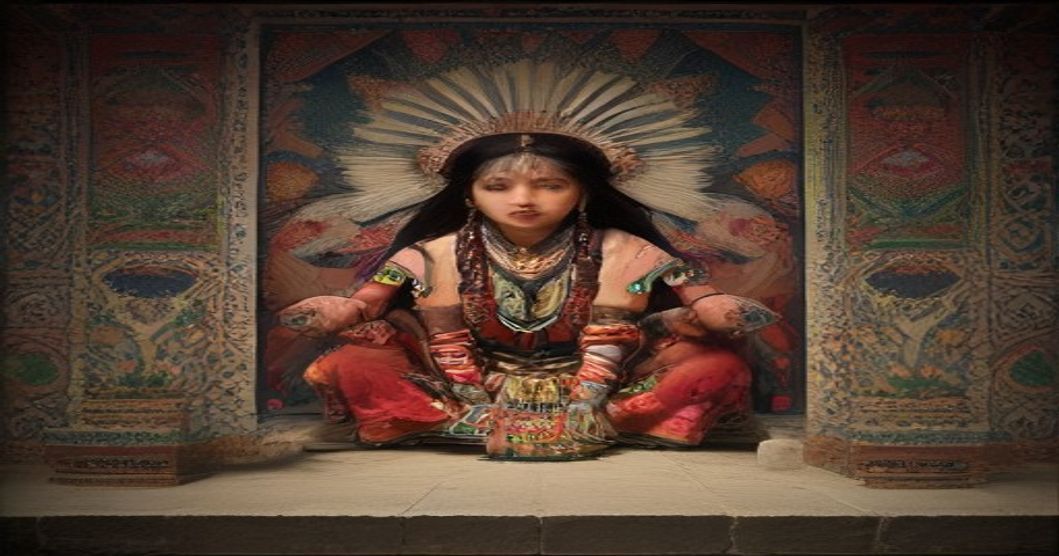
Mixtec People (Ñuu Savi) — History, Culture, and Indigenous Worldview of Mexico
People of the Rain, Pictographic Codices, Master Metallurgy, and Biocultural Legacy across La Mixteca Alta, Baja, and Costa
An expanded trilingual monograph on the Mixtec (Ñuu Savi / Ñuu Dzaui) people. Spanning the rugged mountains and valleys of Oaxaca, Puebla, and Guerrero, the Mixtecs are renowned for their intricate screenfold codices, world-class gold metallurgy, terraced agricultural systems (lama-bordo), and deep reverence for rain deities and ancestral lands.
Mixtec People (Ñuu Savi): History, Culture, and Indigenous Worldview of Mexico
Self-Designation: Ñuu Savi / Ñuu Dzaui (“People or Nation of the Rain”; Oto-Manguean language family).
Ancestral Territory: La Mixteca region spanning western Oaxaca, southern Puebla, and eastern Guerrero (divided into Mixteca Alta, Mixteca Baja, and Mixteca de la Costa).
Global Population: Over 800,000 community members and speakers across Mexico and extensive diaspora networks in North America.
Introduction
The Mixtec people are one of the oldest indigenous groups in Mexico, with a rich history and culture that dates back to pre-Columbian times. Their territory is located in the arid valleys and rugged mountains of Oaxaca, Puebla, and Guerrero, where they developed a complex system of irrigation and agriculture, which allowed them to produce food and survive in a hostile environment. The presence of jaguar and deer, maize and maguey, codices and mountains, and the solar and rainy cycles, are essential aspects of Mixtec culture.
The Mixtec culture is characterized by its complexity and richness, with a wide variety of symbols, artifacts and texts that reflect their history and traditions. The codices, which are one of the primary sources of information about Mixtec culture, allow us to know their writing system, calendar and way of understanding the world. Additionally, Mixtec architecture, with its pyramids and temples, offers a glimpse into their relationship with nature and their gods.
Development
The history of the Mixtec people dates back to pre-Columbian times, when they developed the first forms of agriculture and livestock in the Oaxaca valley and mountainous highlands. The presence of jaguar and deer allowed them to hunt and collect food, while the production of maize and maguey allowed them to survive in a hostile environment. Agriculture also allowed them to produce food for the population, which led to the growth of the population and the complexity of their society.
The Mixtec culture is characterized by its complexity and richness, with a wide variety of symbols, artifacts and texts that reflect their history and traditions. The codices, which are one of the primary sources of information about Mixtec culture, allow us to know their writing system, calendar and way of understanding the world. Additionally, Mixtec architecture, with its pyramids and temples, offers a glimpse into their relationship with nature and their gods.
The Mixtec religion centered on the worship of gods of the sky and earth, who were considered responsible for the production of food and the survival of the population. Priests and priestesses were responsible for the celebration of rituals and the interpretation of signs and symbols that were considered relevant to the life of the society.
Chronology
| Period | Historical Events and Cultural Evolution |
|---|---|
| Pre-Columbian period (2000 BCE – 1521 CE) | Development of agriculture and terracing in the Oaxaca region; rise of Mixtec city-states (Yucuita, Tilantongo, Tututepec); flourishing of pictographic codices and gold metallurgy. |
| Colonial period (1521 – 1821) | Spanish conquest and reorganization into encomiendas; imposition of Catholicism alongside secret preservation of ancestral rituals. |
| Republican period (1821 – 1910) | Mexican independence and creation of the Republic; structural changes in land tenure and community governance. |
| Contemporary period (1910 – present) | Growth of the indigenous rights movement, reclamation of Mixtec identity, transnational community organizing, and linguistic preservation. |
Symbols and Meaning
The Mixtec culture is characterized by its use of symbols that reflect their history and traditions. Some of the most important symbols are:
- The jaguar: Considered the most sacred and powerful animal, symbolizing rulership, night sky, and strength.
- The deer: Considered the most noble and sacred creature, linked to ancestral origin narratives.
- The maize: Considered the most sacred and essential food, forming the core of agricultural existence.
- The maguey: Considered a sacred and essential plant, providing fiber, drink, and economic sustenance.
| Animal / Plant | Symbolic / Traditional Name | Importance and Cultural Role |
|---|---|---|
| Jaguar | Onza / Wild Feline | Symbol of power and strength. |
| Deer (Venado) | Chacal / Ancestral Stag | Symbol of nobility and sacredness. |
| Maize (Maíz) | Comal / Sacred Grain | Sacred and essential food. |
| Maguey | Agave / Pulque Plant | Sacred and essential food and fiber. |
Conclusions
The Mixtec culture is one of the oldest and most complex in Mexico, with a rich history and traditions that date back to pre-Columbian times. The presence of jaguar and deer, maize and maguey, codices and mountains, and the solar and rainy cycles, are essential aspects of their culture and way of understanding the world.
Pueblo Mixteco (Ñuu Savi): Historia, Cultura y Cosmovisión Indígena de México
Autodenominación: Ñuu Savi / Ñuu Dzaui (“Pueblo de la Lluvia”; familia lingüística Oto-mangue).
Territorio Histórico: La Mixteca (Alta, Baja y Costa) en el occidente de Oaxaca, sur de Puebla y este de Guerrero.
Población Estimada: Más de 800,000 personas e integrantes comunitarios, guardianes de una de las mayores tradiciones pictográficas y metalúrgicas de Mesoamérica.
Introducción
El pueblo Mixteco es uno de los pueblos indígenas más antiguos de México, con una rica historia y cultura que se remonta a la época prehispánica. Su territorio se encuentra en los valles áridos y serranías de Oaxaca, Puebla y Guerrero, donde se desarrollaron una compleja red de sistemas de irrigación y agricultura (como el sistema de lama-bordo), que permitieron la producción de alimentos y la supervivencia de la población en un entorno hostil. La presencia de jaguar y venado, maíz y maguey, códices y montañas, y los ciclos solares y de la lluvia, son aspectos fundamentales de la cultura mixteca.
La cultura mixteca se caracteriza por su complejidad y riqueza, con una gran variedad de símbolos, artefactos y textos que reflejan su historia y tradiciones. Los códices pictográficos, que son una de las principales fuentes de información sobre la cultura mixteca, nos permiten conocer su sistema de escritura, su calendario, sus genealogías reales y su forma de entender el mundo. Además, la arquitectura mixteca, con sus pirámides y templos, nos ofrece una visión de su relación con la naturaleza y sus dioses.
Desarrollo
La historia del pueblo Mixteco se remonta a la época prehispánica, cuando se desarrollaron las primeras formas de agricultura y ganadería en el valle de Oaxaca y sus regiones de alta montaña. La presencia de jaguar y venado permitió la caza y la recolección de alimentos, mientras que la producción de maíz y maguey permitió la supervivencia de la población en un entorno hostil. La agricultura también permitió la producción de alimentos para la población, lo que permitió el crecimiento demográfico y la complejidad de la sociedad.
La cultura mixteca se caracteriza por su complejidad y riqueza, con una gran variedad de símbolos, artefactos y textos que reflejan su historia y tradiciones. Los códices, que son una de las principales fuentes de información sobre la cultura mixteca, nos permiten conocer su sistema de escritura, su calendario y su forma de entender el mundo. Además, la arquitectura mixteca, con sus pirámides y templos, nos ofrece una visión de su relación con la naturaleza y sus dioses.
La religión mixteca se centra en la adoración de los dioses del cielo y la tierra (como Dzaui, deidad de la lluvia), que se consideraban responsables de la producción de los alimentos y la supervivencia de la población. Los sacerdotes y las sacerdotisas eran responsables de la celebración de los rituales y la interpretación de los signos y símbolos que se consideraban relevantes para la vida de la sociedad.
Cronología Histórica
| Época | Eventos Históricos e Identidad Cultural |
|---|---|
| Época prehispánica (2000 a.C. – 1521 d.C.) | Desarrollo de la agricultura y terrazas agrícolas en la Mixteca; consolidación de los señoríos mixtecos (Tilantongo, Tututepec); apogeo de los códices y la orfebrería. |
| Época colonial (1521 – 1821) | Conquista española e imposición de la religión católica; reestructuración de la tenencia de la tierra y adaptación de formas comunitarias. |
| Época republicana (1821 – 1910) | Independencia de México y creación de la República; transformaciones en los pueblos de indios y comercio regional. |
| Época contemporánea (1910 – presente) | Desarrollo del movimiento indígena, reivindicación de la identidad mixteca (Ñuu Savi) y organización comunitaria binacional. |
Simbolismo y Símbolos
La cultura mixteca se caracteriza por su uso de símbolos que reflejan su historia y tradiciones. Algunos de los símbolos más importantes son:
- El jaguar: Considerado el animal más sagrado y poderoso, asociado con el poder divino y el inframundo.
- El venado: Considerado el animal más noble y sagrado en la tradición ancestral.
- El maíz: Considerado el alimento más sagrado y esencial para la existencia de la comunidad.
- El maguey: Fuente primordial de alimento, fibra y bebida ritual en la cosmovisión mixteca.
| Animal / Planta | Nombre Tradicional | Importancia y Rol Cultural |
|---|---|---|
| Jaguar | Onza / Felino Sagrado | Símbolo de poder y fuerza. |
| Venado | Chacal / Cérvido Ritual | Símbolo de nobleza y cualidad sagrada. |
| Maíz | Comal / Grano Sagrado | Alimento sagrado y esencial. |
| Maguey | Agave / Planta Ancestral | Alimento, fibra y bebida sagrada y esencial. |
Conclusiones
La cultura mixteca es una de las más antiguas y complejas de México, con una rica historia y tradiciones que se remontan a la época prehispánica. La presencia de jaguar y venado, maíz y maguey, códices y montañas, y los ciclos solares y de la lluvia, son aspectos fundamentales de su cultura y forma de entender el mundo.
Le Peuple Mixteco (Ñuu Savi): Histoire, Culture et Cosmologie Indigène du Mexique
Auto-désignation: Ñuu Savi / Ñuu Dzaui (“Le Peuple de la Pluie”; famille linguistique Oto-mangue).
Territoire Ancestral: La Mixteca (Alta, Baja et Costa) dans l’ouest d’Oaxaca, le sud de Puebla et l’est de Guerrero.
Population Globale: Plus de 800 000 personnes.
Introduction
Le peuple Mixtec est l’un des groupes indigènes les plus anciens du Mexique, avec une histoire et une culture riche qui remonte à l’époque précolombienne. Son territoire se situe dans les vallées sèches et les montagnes d’Oaxaca, Puebla et Guerrero, où ils ont développé un système complexe d’irrigation et d’agriculture, qui a permis la production de nourriture et la survie dans un environnement hostile. La présence du jaguar et du cerf, du maïs et du maguey, des codices et des montagnes, et des cycles solaires et pluvieux, sont des aspects essentiels de la culture mixte.
La culture mixte est caractérisée par sa complexité et sa richesse, avec une grande variété de symboles, d’objets d’art et de textes qui reflètent leur histoire et leurs traditions. Les codices, qui sont l’une des principales sources d’information sur la culture mixte, nous permettent de connaître leur système d’écriture, leur calendrier et leur façon de comprendre le monde. De plus, l’architecture mixte, avec ses pyramides et ses temples, offre une vue d’ensemble de leur relation avec la nature et leurs dieux.
Développement
L’histoire du peuple Mixtec remonte à l’époque précolombienne, lorsque ils ont développé les premières formes d’agriculture et de chasse dans la vallée d’Oaxaca et les montagnes environnantes. La présence du jaguar et du cerf a permis la chasse et la collecte de nourriture, tandis que la production de maïs et de maguey a permis la survie dans un environnement hostile. L’agriculture a également permis la production de nourriture pour la population, ce qui a conduit au développement de la population et à la complexité de leur société.
La culture mixte est caractérisée par sa complexité et sa richesse, avec une grande variété de symboles, d’objets d’art et de textes qui reflètent leur histoire et leurs traditions. Les codices, qui sont l’une des principales sources d’information sur la culture mixte, nous permettent de connaître leur système d’écriture, leur calendrier et leur façon de comprendre le monde. De plus, l’architecture mixte, avec ses pyramides et ses temples, offre une vue d’ensemble de leur relation avec la nature et leurs dieux.
La religion mixte se concentre sur la célébration des dieux du ciel et de la terre, qui étaient considérés responsables de la production des aliments et de la survie de la population. Les prêtres et les sacerdotisses étaient responsables de la célébration des rituels et de l’interprétation des signes et symboles qui étaient considérés pertinents pour la vie de la société.
Chronologie
| Époque | Événements Historiques Majeurs |
|---|---|
| Époque précolombienne (2000 av. J.-C. – 1521 ap. J.-C.) | Développement de l’agriculture et des systèmes de terrasses; apogée des cités-états mixtèques (Tilantongo, Tututepec); création des codices et travail de l’or. |
| Époque coloniale (1521 – 1821) | Conquête espagnole et imposition de la religion catholique; résistance culturelle et préservation des coutumes communautaires. |
| Époque républicaine (1821 – 1910) | Indépendance du Mexique et création de la République; évolution des structures agraires dans la région d’Oaxaca. |
| Époque contemporaine (1910 – présent) | Mouvement indigène, réclamation de l’identité mixte (Ñuu Savi) et organisation des communautés transnationales. |
Symboles et Symboles
La culture mixte est caractérisée par son usage de symboles qui reflètent leur histoire et leurs traditions. Certains des symboles les plus importants sont:
- Le jaguar: Considéré comme l’animal le plus sacré et le plus puissant, symbole de pouvoir divin.
- Le cerf: Considéré comme le plus noble et sacré de la faune sacrée.
- Le maïs: Considéré comme l’aliment le plus sacré et le plus essentiel.
- Le maguey: Considéré comme une plante sacrée pour la nourriture, la boisson et la fibre.
| Animal / Plante | Nom Traditionnel | Importance et Rôle Culturel |
|---|---|---|
| Jaguar | Onza / Félin Sacré | Symbole de pouvoir et de force. |
| Cerf | Chacal / Cervidé Ritual | Symbole de noblesse et de sacré. |
| Maïs | Comal / Grain Sacré | Aliment sacré et essentiel. |
| Maguey | Agave / Plante Ancestrale | Aliment, fibre et boisson sacré et essentiel. |
Conclusions
La culture mixte est l’une des plus anciennes et des plus complexes du Mexique, avec une histoire et des traditions riche qui remontent à l’époque précolombienne. La présence du jaguar et du cerf, du maïs et du maguey, des codices et des montagnes, et des cycles solaires et pluvieux, sont des aspects essentiels de leur culture et de leur façon de comprendre le monde.
Preguntas Frecuentes / FAQ / Questions Fréquentes
Q: Qu’est-ce que la culture mixte ? / ¿Qué es la cultura mixteca?
A: La cultura mixteca (Ñuu Savi) es una de las más antiguas y complejas de México, con una rica historia agrícola, artística y religiosa que se remonta a más de 3,000 años en la región de La Mixteca.
Q: Qu’est-ce que les codices ? / ¿Qué son los códices mixtecos?
A: Los códices son documentos pictográficos elaborados sobre piel de venado o papel amate que registran la genealogía de las dinastías mixtecas, alianzas de bodas, historia política y rituales sagrados (ej. Códice Nuttall, Códice Bodley).
Q: Qu’est-ce que l’architecture mixte ? / ¿Cómo es la arquitectura mixteca?
A: La arquitectura mixteca destaca por sus plataformas, templos, terrazas agrícolas de contención (lama-bordo) y fina orfebrería integrada, reflejando su profunda armonía con la topografía montañosa.
Explora Más
Explora nuestra biblioteca en línea en Mexican Library (mexicanlibrary.org) y descubre la rica historia, orfebrería y códices del pueblo Mixteco.
Visitar The Mayan Library Repository ↗Bibliografía / References / Références
- INAH. (s.f.). Cultura Mixteca y Códices Prehispánicos. Instituto Nacional de Antropología e Historia. (https://www.inah.gob.mx)
- INPI. (s.f.). Etnografía del Pueblo Mixteco (Ñuu Savi). Instituto Nacional de los Pueblos Indígenas. (https://www.gob.mx/inpi)
- UNESCO. (s.f.). Códices Mixtecos y Patrimonio de Oaxaca. (https://es.unesco.org)
- Mediateca INAH. (s.f.). Repositorio Digital de Arqueología y Orfebrería Mixteca. (https://mediateca.inah.gob.mx)
- Sistema de Información Cultural. (s.f.). Los Mixtecos de Oaxaca, Puebla y Guerrero. Secretaría de Cultura. (https://sic.cultura.gob.mx)
- Biblioteca Nacional de México. (s.f.). Colección de Manuscritos y Códices Mesoamericanos. UNAM. (http://www.bnm.unam.mx)
Pueblo Mixteco, Mixtec people, Ñuu Savi, Ñuu Dzaui, La Mixteca, Mixteca Alta, Mixteca Baja, Códice Nuttall, Códice Bodley, orfebrería mixteca, Ocho Venado Garra de Jaguar, Tilantongo, Tututepec, lama-bordo, Dzaui, Mexican Library, Mayan Library, patrimonio indígena de México.
Discover Your Personal Nahua Birth Oracle
Are you ready to calculate the exact ancestral energies imprinted upon you at the moment of your birth?
Get your Free Mexican Nahua Oracle Written by Josef S.
An exclusive, mathematically precise report engineered to decode your unique spiritual destiny.
If you feel a profound calling to physically connect with the ancient lands where these sacred counts were carved into stone, we highly encourage booking your next mindful journey through our trusted luxury partners at Tulum rent and Sesy rent—providing exquisite, spiritually harmonized accommodations along the Mexican Caribbean. Furthermore, elevate your daily rituals by visiting sesy.shop to explore our curated collection of meditation tools, authentic artisan crafts, and deep-dive literature.
Mexican Library Repository · Pueblo Mixteco (Ñuu Savi) — Historia, Cultura y Cosmovisión Indígena de México · free, open-source, and ethically shared with global scholars.