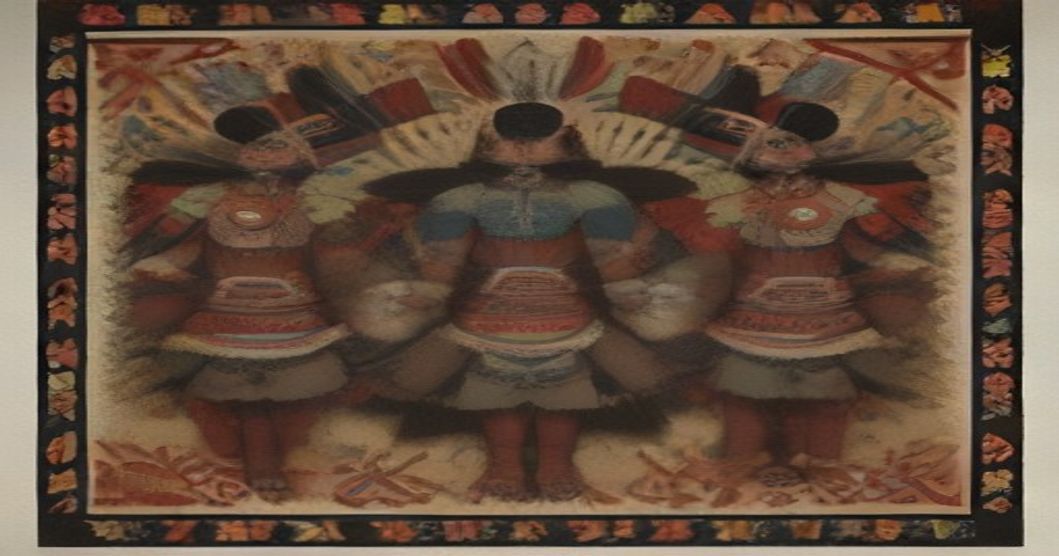
Zapotec People (Benn ‘Zaa) — History, Culture, and Indigenous Worldview of Mexico
Cloud People, Monte Albán Monuments, Sacred Cocijo Rain Worship, and Biocultural Legacy across Oaxaca and Mesoamerica
An expanded trilingual monograph on the Zapotec (Benn ‘Zaa / Be’ena’a) people. Centered in the Central Valleys, Sierra, and Isthmus of Oaxaca, the Zapotecs represent one of Mexico’s oldest urban civilizations, celebrated for monumental urban planning, silviculture, mezcal production, and rich spiritual traditions.
Zapotec People (Benn ‘Zaa): History, Culture, and Indigenous Worldview of Mexico
Self-Designation: Benn ‘Zaa / Be’ena’a (“People of the Clouds”; Oto-Manguean language family).
Ancestral Territory: Central Valleys of Oaxaca, Sierra Norte, Sierra Sur, Isthmus of Tehuantepec, and regional communities across Mexico.
Global Population: Over 800,000 speakers and community members, preserving one of Mesoamerica’s most influential civilizational lineages.
Introduction
The Zapotec people are one of the oldest and most respected indigenous cultures in Mexico, with a rich history that dates back to pre-Columbian times. Although their territory is primarily located in the valley of Oaxaca, there are also Zapotec communities in other parts of the country. Zapotec culture is characterized by its complex system of beliefs and religious practices, which are based on the worship of a wide range of gods and goddesses, including jaguars and eagles, which are considered symbols of power and fertility.
Agriculture and silviculture are fundamental to the Zapotec economy, and are focused on the production of maize and agave, which are the main crops in the region. Maize is considered the staple food of the Zapotec people, and is used in a variety of ways, including the preparation of tamales and the consumption in the form of flour or toasted flour.
Development
Zapotec religion is characterized by the worship of a wide range of gods and goddesses, who are considered responsible for natural phenomena and fertility. One of the most important gods is the god of rain (Cocijo), who is considered responsible for the creation of the world and life. Zapotec religion also relies on the belief in an afterlife, in which humans can communicate with the gods and enjoy eternal life.
Symbols and Meaning
| Symbol | Meaning and Cultural Significance |
|---|---|
| Jaguar | Symbol of power and fertility. |
| Eagle | Symbol of freedom and wisdom. |
| Maize | Staple food of the Zapotec people. |
| Agave (Maguey) | Main crop of the Zapotec economy. |
Chronological Timeline
| Period | Important Events |
|---|---|
| Pre-Columbian era (2000 BCE – 1521 CE) | Development of Zapotec civilization, construction of pyramids and temples (such as Monte Albán and Mitla). |
| Post-Columbian era (1521 – 1821 CE) | Spanish conquest, loss of Zapotec cultural independence, and adaptation of syncretic traditions. |
| Contemporary era (1821 CE – present) | Restoration of Zapotec cultural identity, promotion of cultural heritage, autonomy, and artistic revitalization. |
Conclusions
Zapotec culture is a rich and complex one, characterized by its complex system of beliefs and religious practices, its economy based on agriculture and silviculture, and its cultural heritage, which is reflected in its architecture, artisanship, and literature.
Pueblo Zapoteco (Benn ‘Zaa): Historia, Cultura y Cosmovisión Indígena de México
Autodenominación: Benn ‘Zaa / Be’ena’a (“Gente de las nubes”; familia lingüística Oto-mangue).
Territorio Histórico: Valles Centrales de Oaxaca, Sierra Norte, Sierra Sur, Istmo de Tehuantepec y diversas regiones de México.
Población Estimada: Más de 800,000 habitantes y hablantes, constituyendo uno de los picos culturales de Mesoamérica.
Introducción
El pueblo Zapoteco es una de las culturas indígenas más antiguas y respetadas en México, con una rica historia que se remonta a la época prehispánica. Aunque su territorio se encuentra principalmente en el valle de Oaxaca, también se encuentran comunidades zapotecas en otras regiones del país. La cultura zapoteca se caracteriza por su complejo sistema de creencias y prácticas religiosas, que se basan en la adoración de una gran variedad de dioses y diosas, incluyendo a los jaguares y águilas, que se consideran símbolos de poder y fertilidad.
La agricultura y la silvicultura son fundamentales para la economía zapoteca, y se centran en la producción de maíz y maguey, que son los principales cultivos de la región. El maíz es considerado el alimento esencial de la cultura zapoteca, y se utiliza en una variedad de formas, incluyendo la preparación de tamales y el consumo en forma de harina o harina tostada.
Desarrollo
La religiosidad zapoteca se caracteriza por la adoración de una gran variedad de dioses y diosas, que se consideran responsables de los fenómenos naturales y la fertilidad. Uno de los dioses más importantes es el dios de la lluvia (Cocijo), que se considera el responsable de la creación del mundo y la vida. La religiosidad zapoteca también se basa en la creencia en la existencia de un mundo espiritual, en el que los seres humanos pueden comunicarse con los dioses y disfrutar de una vida eterna.
Simbolismo y Simbolismo
| Símbolo | Significado |
|---|---|
| Jaguar | Símbolo de poder y fertilidad. |
| Águila | Símbolo de libertad y sabiduría. |
| Maíz | Alimento esencial de la cultura zapoteca. |
| Maguey | Cultivo fundamental para la economía zapoteca. |
Cronología Histórica
| Época | Eventos Importantes |
|---|---|
| Época prehispánica (2000 a.C. – 1521 d.C.) | Desarrollo de la civilización zapoteca, construcción de pirámides y templos como Monte Albán y Mitla. |
| Época posthispánica (1521 – 1821 d.C.) | Conquista española, pérdida de la independencia cultural zapoteca y adaptación al orden colonial. |
| Época contemporánea (1821 – presente) | Restauración de la identidad cultural zapoteca, promoción del patrimonio cultural y fortalecimiento comunitario. |
Conclusiones
La cultura zapoteca es una rica y compleja, que se caracteriza por su complejo sistema de creencias y prácticas religiosas, su economía basada en la agricultura y la silvicultura, y su patrimonio cultural, que se refleja en la arquitectura, la artesanía y la literatura.
Le Peuple Zapotèque (Benn ‘Zaa): Histoire, Culture et Cosmologie Indigène du Mexique
Auto-désignation: Benn ‘Zaa / Be’ena’a (“Le peuple des nuages”; famille linguistique Oto-mangue).
Territoire Ancestral: Vallées centrales d’Oaxaca, Sierra Norte, Sierra Sur, Isthme de Tehuantepec.
Population Globale: Plus de 800 000 personnes.
Début / Introduction
La culture zapotèque est l’une des cultures indigènes les plus anciennes et les plus respectées au Mexique, avec une histoire riche qui remonte à l’époque précolombienne. Bien que son territoire soit principalement situé dans la vallée de l’Oaxaca, il y a également des communautés zapotèques dans d’autres régions du pays. La culture zapotèque est caractérisée par son système complexe de croyances et de pratiques religieuses, qui sont basées sur la vénération d’une grande variété de dieux et de déesses, dont les jaguars et les aigles sont considérés comme des symboles de pouvoir et de fertilité.
Agriculture et sylviculture sont des éléments fondamentaux de l’économie zapotèque, et sont axés sur la production de maïs et d’agave, qui sont les principales cultures de la région. Le maïs est considéré comme le produit alimentaire essentiel de la culture zapotèque, et est utilisé dans une variété de façons, notamment la préparation de tamales et la consommation sous forme de farine ou de farine tostée.
Développement
La religion zapotèque est caractérisée par la vénération d’une grande variété de dieux et de déesses, qui sont considérés responsables de phénomènes naturels et de fertilité. L’un des dieux les plus importants est le dieu de la pluie (Cocijo), qui est considéré responsable de la création du monde et de la vie. La religion zapotèque repose également sur la croyance en un après-vie, dans lequel les humains peuvent communiquer avec les dieux et profiter d’une vie éternelle.
Symboles et Symboles
| Symbole | Signification |
|---|---|
| Jaguar | Symbole de pouvoir et de fertilité. |
| Aigle | Symbole de liberté et de sagesse. |
| Maïs | Produit alimentaire essentiel de la culture zapotèque. |
| Agave | Principal culture de l’économie zapotèque. |
Chronologie Historique
| Époque | Événements Importants |
|---|---|
| Époque précolombienne (2000 avant JC – 1521 JC) | Développement de la civilisation zapotèque, construction de pyramides et de temples (Monte Albán, Mitla). |
| Époque postcolombienne (1521 – 1821 JC) | Conquête espagnole, perte de l’indépendance culturelle zapotèque et persistance des coutumes. |
| Époque contemporaine (1821 JC – présent) | Restauration de l’identité culturelle zapotèque, promotion du patrimoine culturel et revitalisation artistique. |
Conclusion
La culture zapotèque est une culture riche et complexe, caractérisée par son système complexe de croyances et de pratiques religieuses, son économie basée sur l’agriculture et la sylviculture, et son patrimoine culturel, qui est reflété dans son architecture, son artisanship et sa littérature.
Preguntas Frecuentes / FAQ / Questions Fréquentes
Q: Qui sont les zapotèques ? / ¿Quiénes son los Zapotecos?
A: Les zapotèques son una de las culturas indígenas más antiguas y respetadas de México, originarios principalmente de los Valles Centrales, Sierra e Istmo de Oaxaca, con una rica historia que se remonta a más de 2,500 años.
Q: Qu’est-ce que la religion zapotèque ? / ¿Qué es la religión zapoteca?
A: La religión zapoteca ancestral se caracteriza por la veneración de divinidades ligadas a las fuerzas naturales, como Cocijo (dios de la lluvia) y Pitao Cozobi (dios del maíz), así como el culto a los antepasados y la vida espiritual eterna.
Q: Quels sont les symboles de la culture zapotèque ? / ¿Cuáles son los símbolos zapotecos?
A: Los jaguares (fuerza y fertilidad), las águilas (sabiduría y libertad), el maíz (alimento sagrado) y el maguey/agave (sustento económico y origen del mezcal) son símbolos representativos esenciales.
Explora Más
Si deseas explorar el archivo abierto y gratuito de Mexican Library (mexicanlibrary.org), haz clic en este enlace: Pueblo Zapoteco en Mexican Library
Visitar The Mayan Library Repository ↗Bibliografía / References / Références
- INAH. (s.f.). Cultura Zapoteca y Monte Albán. Instituto Nacional de Antropología e Historia. (https://www.inah.gob.mx)
- INPI. (s.f.). Etnografía del Pueblo Zapoteco. Instituto Nacional de los Pueblos Indígenas. (https://www.gob.mx/inpi)
- UNESCO. (s.f.). Prehistoric Caves of Yagul and Mitla in the Central Valley of Oaxaca. (https://es.unesco.org)
- Mediateca INAH. (s.f.). Colección Arqueológica Zapoteca. Mediateca Digital. (https://mediateca.inah.gob.mx)
- Sistema de Información Cultural. (s.f.). Zapotecos de Oaxaca. Secretaría de Cultura de México. (https://sic.cultura.gob.mx)
- Biblioteca Nacional de México. (s.f.). Códices y Manuscritos Zapotecos. UNAM. (http://www.bnm.unam.mx)
Pueblo Zapoteco, Zapotec people, Benn ‘Zaa, Be’ena’a, Monte Albán, Mitla, Oaxaca indígena, Valles Centrales de Oaxaca, Cocijo, mezcal de maguey, Istmo de Tehuantepec, Guelaguetza, etnografía zapoteca, Mexican Library, Mayan Library, patrimonio indígena de México.
Discover Your Personal Nahua Birth Oracle
Are you ready to calculate the exact ancestral energies imprinted upon you at the moment of your birth?
Get your Free Mexican Nahua Oracle Written by Josef S.
An exclusive, mathematically precise report engineered to decode your unique spiritual destiny.
If you feel a profound calling to physically connect with the ancient lands where these sacred counts were carved into stone, we highly encourage booking your next mindful journey through our trusted luxury partners at Tulum rent and Sesy rent—providing exquisite, spiritually harmonized accommodations along the Mexican Caribbean. Furthermore, elevate your daily rituals by visiting sesy.shop to explore our curated collection of meditation tools, authentic artisan crafts, and deep-dive literature.
Mexican Library Repository · Pueblo Zapoteco (Benn ‘Zaa) — Historia, Cultura y Cosmovisión Indígena de México · free, open-source, and ethically shared with global scholars.