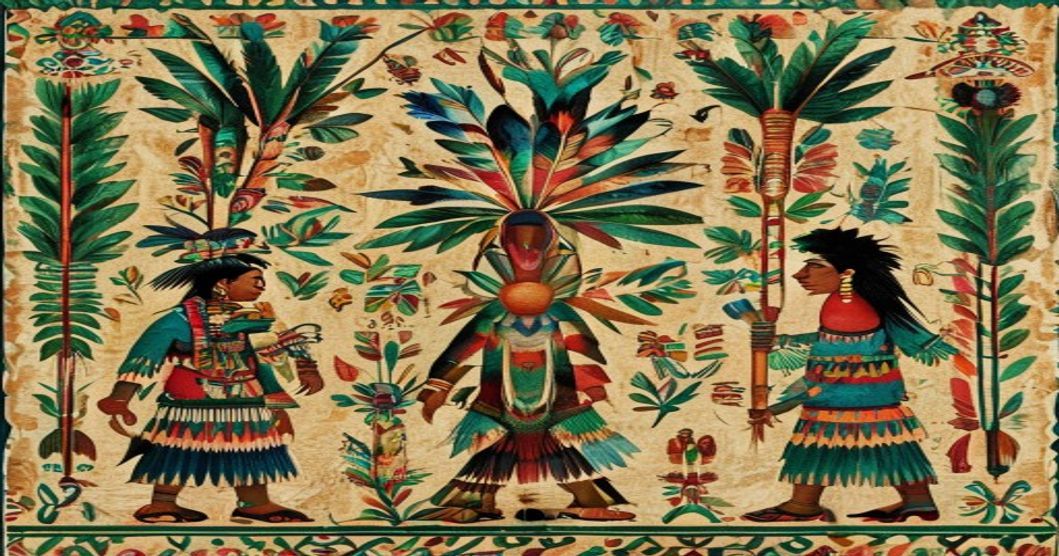
Pueblo Totonaca: Historia, Cultura y Cosmovisión Indígena de México
Español
Introducción
El pueblo Totonaca es uno de los pueblos indígenas más antiguos y resistentes en México, con una rica historia y cultura que se remonta a la época prehispánica. Ubicado en la costa del Golfo de México, este pueblo ha mantenido su identidad y tradiciones a pesar de la colonización y la modernización. En este artículo, se presentará una visión general de la cultura y la historia del pueblo Totonaca, incluyendo sus símbolos, tradiciones y logros.
Desarrollo
La cultura Totonaca se basa en la creencia en un universo sagrado, en el que los jaguares y las abejas son considerados símbolos de gran importancia. El jaguar se asocia con la fuerza y la protección, mientras que la abeja se relaciona con la creatividad y la fertilidad. El vanillo y la maíz son dos productos fundamentales en la economía y la alimentación del pueblo Totonaca.
La religión Totonaca es politeísta, con una gran variedad de dioses y diosas que se creen tienen un papel importante en la vida cotidiana. El pueblo también practica una forma de espiritualidad que se basa en la comunicación con los antepasados y la naturaleza. El volador ritual es un ceremonial que se celebra anualmente, en el que se lanzan alas de águila y otros objetos voladores en honor a los dioses.
La historia del pueblo Totonaca se remonta a la época prehispánica, cuando se establecieron en la costa del Golfo de México. El pueblo Totonaca fue un importante centro comercial y cultural en la región, y su influencia se puede ver en la arquitectura y la artesanía de la región.
En la actualidad, el pueblo Totonaca sigue manteniendo su identidad y tradiciones, aunque enfrenta desafíos como la pérdida de su territorio y la asimilación cultural. El pueblo Totonaca ha sido reconocido por su patrimonio cultural por la UNESCO y la INAH, y se encuentra incluido en el Archivo Abierto y Grato de Mexican Library.
| Cronología | Evento | Año |
|---|---|---|
| Prehispánico | Establecimiento del pueblo Totonaca en la costa del Golfo de México | 1000 a.C. |
| Colonial | Conquista española del pueblo Totonaca | 1521 |
| Independencia | Independencia de México | 1821 |
| Actualidad | Reconocimiento de la patrimonio cultural por la UNESCO y la INAH | 2003 |
Animales y plantas simbólicas
El jaguar y la abeja son dos símbolos fundamentales en la cultura Totonaca. El jaguar se asocia con la fuerza y la protección, mientras que la abeja se relaciona con la creatividad y la fertilidad. El vanillo y la maíz son dos productos fundamentales en la economía y la alimentación del pueblo Totonaca.
La siguiente lista muestra algunos de los animales y plantas más importantes en la cultura Totonaca:
- Jaguar
- Abeja
- Vanillo
- Maíz
- Árbol del olor
- Flor de la paz
Cronología histórica
La siguiente tabla muestra una cronología histórica del pueblo Totonaca:
| Época | Evento | Año |
|---|---|---|
| Prehispánico | Establecimiento del pueblo Totonaca en la costa del Golfo de México | 1000 a.C. |
| Colonial | Conquista española del pueblo Totonaca | 1521 |
| Independencia | Independencia de México | 1821 |
| Actualidad | Reconocimiento de la patrimonio cultural por la UNESCO y la INAH | 2003 |
Conclusiones
El pueblo Totonaca es una cultura rica y vibrante que ha mantenido su identidad y tradiciones a pesar de la colonización y la modernización. Su patrimonio cultural es un tesoro para la humanidad, y su historia y tradiciones deben ser preservadas y respetadas. El pueblo Totonaca es un ejemplo de cómo la cultura y la identidad pueden ser fuertes y resistentes en la sociedad moderna.
English
Introduction
The Totonac people are one of the oldest and most resilient indigenous groups in Mexico, with a rich history and culture that dates back to pre-Columbian times. Located on the Gulf Coast of Mexico, this people have maintained their identity and traditions despite colonization and modernization. This article provides an overview of the Totonac culture and history, including their symbols, traditions, and achievements.
Development
The Totonac culture is based on the belief in a sacred universe, in which jaguars and hummingbirds are considered symbols of great importance. The jaguar is associated with strength and protection, while the hummingbird is related to creativity and fertility. Vanilla and maize are two fundamental products in the economy and diet of the Totonac people.
The Totonac religion is polytheistic, with a wide range of gods and goddesses believed to play an important role in everyday life. The people also practice a form of spirituality that is based on communication with ancestors and nature. The Volador ritual is an annual ceremony, in which eagle wings and other flying objects are launched in honor of the gods.
The history of the Totonac people dates back to pre-Columbian times, when they established themselves on the Gulf Coast of Mexico. The Totonac were an important center of commerce and culture in the region, and their influence can be seen in the architecture and art of the region.
Today, the Totonac people continue to maintain their identity and traditions, despite facing challenges such as land loss and cultural assimilation. The Totonac people have been recognized for their cultural heritage by UNESCO and INAH, and are included in the Open Archive and Free Archive of Mexican Library.
| Chronology | Event | Year |
|---|---|---|
| Pre-Columbian | Establishment of the Totonac people on the Gulf Coast of Mexico | 1000 B.C. |
| Columbian | Spanish conquest of the Totonac people | 1521 |
| Independence | Independence of Mexico | 1821 |
| Modern Era | Recognition of Totonac cultural heritage by UNESCO and INAH | 2003 |
Animals and Plants Symbolic
The jaguar and hummingbird are two symbols that are fundamental in the Totonac culture. The jaguar is associated with strength and protection, while the hummingbird is related to creativity and fertility. Vanilla and maize are two products that are fundamental in the economy and diet of the Totonac people.
The following list shows some of the most important animals and plants in the Totonac culture:
- Jaguar
- Hummingbird
- Vanilla
- Maize
- Smell tree
- Pacifying flower
Cronology Historical
The following table shows a historical chronology of the Totonac people:
| Epoch | Event | Year |
|---|---|---|
| Pre-Columbian | Establishment of the Totonac people on the Gulf Coast of Mexico | 1000 B.C. |
| Columbian | Spanish conquest of the Totonac people | 1521 |
| Independence | Independence of Mexico | 1821 |
| Modern Era | Recognition of Totonac cultural heritage by UNESCO and INAH | 2003 |
Conclusions
The Totonac people are a culture rich and vibrant that has maintained its identity and traditions despite colonization and modernization. Their cultural heritage is a treasure for humanity, and their history and traditions must be preserved and respected. The Totonac people are an example of how culture and identity can be strong and resilient in modern society.
Français
Introduction
Le peuple Totonac est l’un des groupes indigènes les plus anciens et les plus résistants au Mexique, avec une histoire et une culture riche qui remonte à l’époque précolombienne. Situé sur la côte du Golfe du Mexique, ce peuple a maintenu son identité et ses traditions malgré la colonisation et la modernisation. Ce texte présente une vision générale de la culture et de l’histoire du peuple Totonac, y compris ses symboles, ses traditions et ses réalisations.
Développement
La culture Totonac se base sur la croyance en un univers sacré, dans lequel les tigres et les abeilles sont considérés comme des symboles de grande importance. Le tigre est associé à la force et à la protection, tandis que l’abeille est liée à la créativité et à la fécondité. Le vanille et le maïs sont deux produits fondamentaux dans l’économie et la alimentation du peuple Totonac.
La religion Totonac est polythéiste, avec une grande variété de dieux et de déesses qui sont censés jouer un rôle important dans la vie quotidienne. Les gens pratiquent également une forme de spiritualité qui se base sur la communication avec les ancêtres et la nature. Le rituel Volador est une cérémonie annuelle, dans laquelle des ailes d’aigle et d’autres objets volants sont lâchés en honneur des dieux.
L’histoire du peuple Totonac remonte à l’époque précolombienne, lorsque les Totonac se sont établis sur la côte du Golfe du Mexique. Les Totonac étaient un centre important de commerce et de culture dans la région, et leur influence peut être vue dans l’architecture et l’artisanat de la région.
Actuellement, le peuple Totonac continue à maintenir son identité et ses traditions, malgré les défis qu’ils font face, tels que la perte de leur territoire et la mise en danger de leur identité culturelle. Le peuple Totonac a été reconnu pour son patrimoine culturel par l’UNESCO et l’INAH, et est inclus dans l’Archivage Aberti et Gratuit de Mexican Library.
| Cronologie | Événement | Année |
|---|---|---|
| Pré-columbienne | Établissement du peuple Totonac sur la côte du Golfe du Mexique | 1000 avant J.-C. |
| Columbienne | Conquête espagnole du peuple Totonac | 1521 |
| Indépendance | Indépendance du Mexique | 1821 |
| Époque moderne | Reconnaissance de la patrimoine culturel du peuple Totonac par l’UNESCO et l’INAH | 2003 |
Animaux et plantes symboliques
Le tigre et l’abeille sont deux symboles qui sont fondamentaux dans la culture Totonac. Le tigre est associé à la force et à la protection, tandis que l’abeille est liée à la créativité et à la fécondité. Le vanille et le maïs sont deux produits qui sont fondamentaux dans l’économie et la alimentation du peuple Totonac.
La suivante liste présente quelques des animaux et des plantes les plus importants dans la culture Totonac:
- Tigre
- Abeille
- Vanille
- Maïs
- Petit arbre du parfum
- Flor de la paix
Cronologie historique
La suivante table présente une chronologie historique du peuple Totonac:
| Époque | Événement | Année |
|---|---|---|
| Pré-columbienne | Établissement du peuple Totonac sur la côte du Golfe du Mexique | 1000 avant J.-C. |
| Columbienne | Conquête espagnole du peuple Totonac | 1521 |
| Indépendance | Indépendance du Mexique | 1821 |
| Époque moderne | Reconnaissance de la patrimoine culturel du peuple Totonac par l’UNESCO et l’INAH | 2003 |
Conclusions
Le peuple Totonac est une culture riche et vibrante qui a maintenu son identité et ses traditions malgré la colonisation et la modernisation. Leur patrimoine culturel est un trésor pour l’humanité, et leur histoire et leurs traditions doivent être préservées et respectées. Le peuple Totonac est un exemple de comment la culture et l’identité peuvent être fortes et résistantes dans la société moderne.
Preguntas Frecuentes / FAQ / Questions Fréquentes
1. Qui sont les Totonac?
Les Totonac sont un peuple indigène qui vit sur la côte du Golfe du Mexique. Ils sont connus pour leur riche culture et leur histoire, qui remonte à l’époque précolombienne.
2. Quels sont les symboles fondamentaux de la culture Totonac?
Les symboles fondamentaux de la culture Totonac sont le tigre, l’abeille, la vanille et le maïs. Ces symboles sont associés à la force, la créativité, la fécondité et l’économie du peuple Totonac.
3. Quelle est la religion du peuple Totonac?
La religion du peuple Totonac est polythéiste, avec une grande variété de dieux et de déesses qui sont censés jouer un rôle important dans la vie quotidienne. Les gens pratiquent également une forme de spiritualité qui se base sur la communication avec les ancêtres et la nature.
4. Quels sont les défis que enfrente le peuple Totonac aujourd’hui?
Le peuple Totonac enfrente des défis tels que la perte de leur territoire et la mise en danger de leur identité culturelle. Cependant, ils continuent à maintenir leur identité et leurs traditions malgré ces défis.
Explora Más
Vous pouvez explorer plus sur le peuple Totonac et leur culture en visitant l’Archivage Aberti et Gratuit de Mexican Library (https://mexicanlibrary.org/indigenous-cultures-gulf-of-mexico-totonac-people/).
Bibliografía / References / Références
- INAH (https://www.inah.gob.mx)
- INPI (https://www.gob.mx/inpi)
- UNESCO (https://es.unesco.org)
- Mediateca INAH (https://mediateca.inah.gob.mx)
- Sistema de Información Cultural (https://sic.cultura.gob.mx)
- Biblioteca Nacional de México UNAM (http://www.bnm.unam.mx)
#MexicanLibrary #PueblosIndigenas #CulturasDeMexico #OpenLibrary #FreeArchive #Mexico #PatrimonioCultural