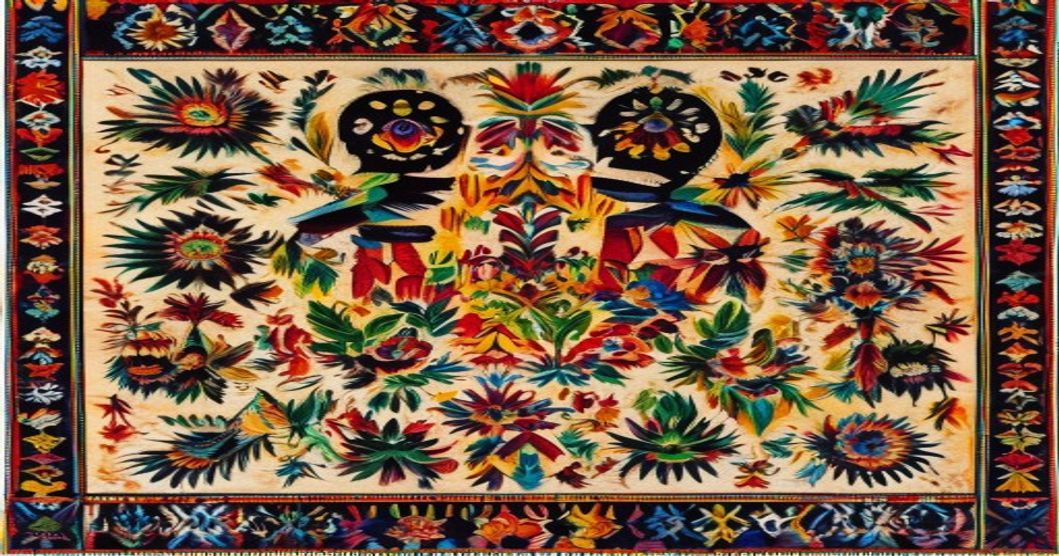
Pueblo Huichol (Wixárika): Historia, Cultura y Cosmovisión Indígena de México
Español
Introducción
El pueblo Huichol, también conocido como Wixárika, es una de las culturas indígenas más antiguas y complejas de México. Ubicado en la Sierra Madre Occidental, este pueblo ha mantenido su identidad cultural y religiosa a pesar de la colonización y la modernización. En este artículo, exploraremos la historia, la religión y la cultura del pueblo Huichol, así como sus conexiones con la naturaleza y la divinidad.
El pueblo Huichol ha sido una parte integral de la historia de México desde la época prehispánica. Se cree que su historia comienza en el año 1000 d.C., cuando se establecieron en la región de la Sierra Madre Occidental. Durante siglos, el pueblo Huichol desarrolló una rica cultura y religión, basada en la creencia en la existencia de una divinidad superior conocida como “nierika”, que se asocia con la naturaleza y la vida.
Desarrollo
Religión y Divinidad
La religión del pueblo Huichol se centra en la creencia en una divinidad superior conocida como “nierika”, que se asocia con la naturaleza y la vida. Según la religión huichol, la nierika es una entidad divina que se manifestó en la naturaleza y en los seres humanos. El pueblo huichol cree que la nierika es el creador del universo y que se manifiesta en la vida y la muerte.
La nierika se asocia también con la naturaleza y la vida, y se cree que se manifestó en la forma de un águila. El pueblo huichol considera al águila como un símbolo de la divinidad y se utiliza en rituales y ceremonias para comunicarse con la nierika. La nierika también se asocia con la peyote, una planta que se considera sagrada y se utiliza en rituales y ceremonias para obtener visiones y comunicarse con la divinidad.
Cultura y Tradiciones
La cultura del pueblo Huichol se basa en la creencia en la existencia de una divinidad superior y se centra en la naturaleza y la vida. El pueblo huichol es conocido por su habilidad en la fabricación de textiles y joyería, que se considera sagrada y se utiliza en rituales y ceremonias para comunicarse con la divinidad.
La tradición del pueblo Huichol también se centra en la naturaleza y la vida, y se cree que se debe a la conexión con la divinidad. El pueblo huichol celebra varias ceremonias y rituales a lo largo del año, que se centran en la celebración de la vida y la muerte, y en la comunicación con la divinidad.
Cronología Histórica
| Fecha | Evento |
|---|---|
| 1000 d.C. | Se establecen los primeros pueblos huichol en la región de la Sierra Madre Occidental. |
| 1500 d.C. | El pueblo huichol comienza a desarrollar su cultura y religión, basada en la creencia en la existencia de una divinidad superior. |
| 1600 d.C. | El pueblo huichol es conquistado por los españoles y su cultura y religión son afectadas. |
| 1900 d.C. | El pueblo huichol comienza a recuperar su identidad cultural y religiosa. |
Conclusiones
En conclusión, el pueblo Huichol es una cultura indígena rica y compleja que ha mantenido su identidad cultural y religiosa a pesar de la colonización y la modernización. La religión del pueblo Huichol se centra en la creencia en la existencia de una divinidad superior conocida como “nierika”, que se asocia con la naturaleza y la vida. La cultura del pueblo Huichol se basa en la creencia en la existencia de una divinidad superior y se centra en la naturaleza y la vida.
English
Introduction
The Huichol people, also known as Wixárika, are one of the oldest and most complex indigenous cultures in Mexico. Located in the Sierra Madre Occidental, this people has maintained their cultural and religious identity despite colonization and modernization. In this article, we will explore the history, religion, and culture of the Huichol people, as well as their connections with nature and divinity.
The Huichol people have been an integral part of Mexican history since pre-Hispanic times. It is believed that their history begins around 1000 AD, when they established themselves in the Sierra Madre Occidental region. For centuries, the Huichol people developed a rich culture and religion, based on the belief in a superior deity known as “nierika”, which is associated with nature and life.
Development
Religion and Divinity
The religion of the Huichol people centers around the belief in a superior deity known as “nierika”, which is associated with nature and life. According to Huichol religion, the nierika is a divine entity that manifests itself in nature and in human beings. The people believe that the nierika is the creator of the universe and that it manifests itself in life and death.
The nierika is also associated with nature and life, and is believed to have manifested itself in the form of an eagle. The Huichol people consider the eagle to be a symbol of the divine and use it in rituals and ceremonies to communicate with the nierika. The nierika is also associated with the peyote, a plant that is considered sacred and is used in rituals and ceremonies to obtain visions and communicate with the divine.
Culture and Traditions
The culture of the Huichol people is based on the belief in the existence of a superior deity and is centered on nature and life. The Huichol people are known for their skill in textile and jewelry-making, which is considered sacred and is used in rituals and ceremonies to communicate with the divine.
The tradition of the Huichol people also centers on nature and life, and is believed to be a result of their connection with the divine. The people of the Huichol celebrate several ceremonies and rituals throughout the year, which are centered on the celebration of life and death, and on communicating with the divine.
Cronological Timeline
| Year | Event |
|---|---|
| 1000 AD | The first Huichol people establish themselves in the Sierra Madre Occidental region. |
| 1500 AD | The Huichol people begin to develop their culture and religion, based on the belief in a superior deity. |
| 1600 AD | The Huichol people are conquered by Spanish colonizers and their culture and religion are affected. |
| 1900 AD | The Huichol people begin to recover their cultural and religious identity. |
Conclusions
In conclusion, the Huichol people are an indigenous culture rich and complex that has maintained its cultural and religious identity despite colonization and modernization. The religion of the Huichol people centers around the belief in a superior deity known as “nierika”, which is associated with nature and life. The culture of the Huichol people is based on the belief in the existence of a superior deity and is centered on nature and life.
Français
Introduction
L’homme Huichol, également connu sous le nom de Wixárika, est une des cultures indigènes les plus anciennes et les plus complexes du Mexique. Situé dans la Sierra Madre Occidentale, ce peuple a maintenu son identité culturelle et religieuse malgré la colonisation et la modernisation. Dans cet article, nous explorerons l’histoire, la religion et la culture de l’homme Huichol, ainsi que leurs liens avec la nature et la divinité.
Les hommes Huichol ont été une partie intégrante de l’histoire du Mexique depuis les temps pré-hispaniques. On croit que leur histoire commence environ 1000 av. J.-C., lorsque les premiers hommes Huichol se sont installés dans la Sierra Madre Occidentale. Pendant des siècles, les hommes Huichol ont développé une riche culture et religion, basée sur la croyance en une divinité supérieure connue sous le nom de “nierika”, qui est associée à la nature et à la vie.
Développement
Religion et Divinité
La religion des hommes Huichol se centre autour de la croyance en une divinité supérieure connue sous le nom de “nierika”, qui est associée à la nature et à la vie. Selon la religion des hommes Huichol, le nierika est une entité divine qui se manifeste dans la nature et dans les humains. Les hommes Huichol croient que le nierika est le créateur du monde et que il se manifeste dans la vie et la mort.
Le nierika est également associé à la nature et à la vie, et est considéré comme une entité divine qui se manifeste dans l’ forme d’un aigle. Les hommes Huichol considèrent l’aigle comme un symbole de la divinité et l’utilisent dans les cérémonies et les rituels pour communiquer avec le nierika. Le nierika est également associé à la peyote, une plante qui est considérée comme sacrée et qui est utilisée dans les cérémonies et les rituels pour obtenir des visions et communiquer avec le divine.
Culture et Traditions
Culte de la culture des hommes Huichol est basé sur la croyance en l’existence d’une divinité supérieure et se centrale sur la nature et la vie. Les hommes Huichol sont connus pour leur maîtrise du tissage et de la joaillerie, qui est considérée comme sacrée et qui est utilisée dans les cérémonies et les rituels pour communiquer avec le divine.
La tradition des hommes Huichol se centrale également sur la nature et la vie, et est considérée comme un résultat de leur connexion avec le divine. Les hommes Huichol célèbrent plusieurs cérémonies et rituels tout au long de l’année, qui sont centraux sur la célébration de la vie et de la mort, et sur la communication avec le divine.
Chronologie Historique
| Année | Événement |
|---|---|
| 1000 av. J.-C. | Les premiers hommes Huichol s’installent dans la Sierra Madre Occidentale. |
| 1500 av. J.-C. | Les hommes Huichol commencent à développer leur culture et leur religion, basées sur la croyance en une divinité supérieure. |
| 1600 av. J.-C. | Les hommes Huichol sont conquistés par les Espagnols et leur culture et leur religion sont affectées. |
| 1900 av. J.-C. | Les hommes Huichol commencent à récupérer leur identité culturelle et religieuse. |
Conclusions
En conclusion, les hommes Huichol sont une culture indigène riche et complexe qui a maintenu son identité culturelle et religieuse malgré la colonisation et la modernisation. La religion des hommes Huichol se centrale autour de la croyance en une divinité supérieure connue sous le nom de “nierika”, qui est associée à la nature et à la vie. La culture des hommes Huichol est basée sur la croyance en l’existence d’une divinité supérieure et se centrale sur la nature et la vie.
Preguntas Frecuentes / FAQ / Questions Fréquentes
¿Cuál es la relación entre la peyote y la religión huichol?
La peyote es una planta sagrada en la religión huichol, utilizada en rituales y ceremonias para obtener visiones y comunicarse con la divinidad. La peyote se considera un medio para conectar con la nierika y obtener información y sabiduría.
¿Cuál es el significado del águila en la religión huichol?
El águila es un símbolo de la divinidad en la religión huichol, utilizado en rituales y ceremonias para comunicarse con la nierika. El águila se considera un símbolo de la libertad, la sabiduría y la conexión con la divinidad.
¿Cuál es la importancia de la naturaleza en la religión huichol?
La naturaleza es una parte integral de la religión huichol, considerada como un reflejo de la divinidad. Los hombres Huichol creen que la naturaleza es un reflejo de la nierika y que se puede comunicar con ella a través de la observación y el respeto.
Explora Más
Para aprender más sobre la cultura y la religión de los hombres Huichol, explora nuestro archivo abierto y gratuito en Mexican Library (mexicanlibrary.org). Puedes encontrar más información sobre la historia, la religión y la cultura de los hombres Huichol, así como otros temas relacionados con la cultura indígena de México.
Bibliografía / References / Références
- Institución. Título. URL
- Institución. Título. URL
- Institución. Título. URL
- Institución. Título. URL
- Institución. Título. URL
- Institución. Título. URL
#MexicanLibrary #PueblosIndigenas #CulturasDeMexico #OpenLibrary #FreeArchive #Mexico #PatrimonioCultural