American Bioregion Library

Official American Sub-Bioregion Hero Portals
Sub-Bioregional Portal I

Arctic & Subarctic Bioregion Library

Circumpolar tundra hydrology, sea-ice dynamics, sea-mammal hunting ethics, and the ancestral ecological knowledge of Inuit, Inupiat, and Yupik communities.
Sub-Bioregional Portal II

Boreal Forest Bioregion Library

Taiga woodland ecology, peatland carbon sinks, birch-bark canoe engineering, and the living heritage of Dene, Cree, and Innu peoples.
Sub-Bioregional Portal III

North Atlantic Coastal Bioregion Library

Estuarine fisheries, coastal salt marshes, hardwood agroforestry, and the governance of Haudenosaunee, Mi’kmaq, and Wampanoag nations.
Sub-Bioregional Portal IV

Pacific Coastal–Temperate Rainforest Library

Ancient cedar forestry, wild salmon stewardship, totem carving iconography, and the maritime culture of Haida, Tlingit, Coast Salish, and Nuu-chah-nulth nations.
Sub-Bioregional Portal V

Rocky–Sierra–Cordillera Mountain Library

High-altitude alpine ecology, headwater watershed conservation, cultural fire management, and the mountain traditions of Shoshone, Ute, and Salish communities.
Sub-Bioregional Portal VI

Mesoamerican Bioregion Library

Milpa companion agriculture, volcanic valley terracing, cenote karst hydrology, hieroglyphic writing, and the heritage of Maya, Nahua, Zapotec, and Mixtec peoples.
Sub-Bioregional Portal VII

Caribbean–Island Bioregion Library

Insular tropical marine biology, coral reef protection, hurricane resilience, cassava conuco farming, and Taíno and Kalinago ancestral heritage.
Sub-Bioregional Portal VIII

Northern Andes Bioregion Library

Páramo high-altitude wetland hydrology, cloud forest biodiversity, gold craftsmanship, and the heritage of Chibcha, Muisca, and Nasa communities.
Sub-Bioregional Portal IX

Amazon Basin Bioregion Library

The world’s largest tropical rainforest, riverine floodplain ecology, terra preta soil science, ethnobotanical medicine, and the stewardship of Yanomami, Kayapó, and Asháninka peoples.
Sub-Bioregional Portal X

Orinoco–Guiana Shield Bioregion Library

Tepui tabletop mountain ecosystems, Gran Sabana ecology, blackwater river systems, and the territory of Piaroa, Pemon, and Warao communities.
Sub-Bioregional Portal XI

Andean Highlands & Dry Valleys Library

High-altitude terrace agriculture (andenes), camelid pastoralism, water canal engineering, textile arts, and the knowledge of Quechua and Aymara societies.
Sub-Bioregional Portal XII

Chaco–Pantanal Bioregion Library

The world’s largest tropical wetland system, dry forest fauna, river pulse dynamics, and the knowledge of Guaraní, Nivaclé, and Ayoreo peoples.
Sub-Bioregional Portal XIII

Cerrado–Caatinga Bioregion Library

Central Brazilian savanna biodiversity, semi-arid thorny scrub biomes, water table recharge, and the territory of Xavante, Kraho, and Fulni-ô communities.
Sub-Bioregional Portal XIV

Atlantic Forest Bioregion Library

The biodiverse Mata Atlântica, coastal mountain streams, endemic flora restoration, and the heritage of Tupinambá and Guaraní Mbyá communities.
Sub-Bioregional Portal XV

Pampas–La Plata Bioregion Library

Temperate grassland soil science, Rio de la Plata estuarine hydrology, equestrian traditions, and the memory of Charrua, Het, and Rankülche communities.
Sub-Bioregional Portal XVI

Patagonian–Subantarctic Library

Wind-swept steppe dynamics, Fuegian archipelago canoeing, Valdivian temperate rainforests, and the stewardship of Mapuche, Selk’nam, Yaghan, and Kawésqar peoples.

African Bioregion Library

Official African Sub-Bioregion Hero Portals
Sub-Bioregional Portal I

Sahara & Oasis Desert Bioregion Library

Hyper-arid desert ecosystems, ancient oasis hydrology, subterranean foggaras, caravan routes, and the ecological wisdom of Tuareg and Berber communities.
Sub-Bioregional Portal II

Sahel Semi-Arid Transition Library

Semi-arid savanna belts, transhumance pastoral mobility, Great Green Wall anti-desertification, and customary land tenure of the Fulani and neighbors.
Sub-Bioregional Portal III

North African Mediterranean–Atlas Library

Mediterranean montane biomes, Atlas terraced agriculture, cork oak forests, coastal marine biology, and the heritage of Amazigh (Berber) societies.
Sub-Bioregional Portal IV

West African Savannah–Forest Mosaic Library

Sacred groves, agroforestry mosaics, Niger and Volta river basins, bronze and textile arts, and the worldviews of Yoruba, Dogon, and Akan peoples.
Sub-Bioregional Portal V

Central African Congo Rainforest Library

Earth’s second largest tropical rainforest, Congo Basin hydrology, canopy biodiversity, carbon science, and the forest knowledge of BaAka and Mbuti communities.
Sub-Bioregional Portal VI

East African Rift Valley–Highlands Library

The volcanic Great Rift Valley, montane forests, wildlife corridors, pastoralist cattle traditions, and the continuity of Maasai, Kikuyu, and Oromo societies.
Sub-Bioregional Portal VII

Horn of Africa Drylands & Highlands Library

The Ethiopian Massif, Simien biodiversity, endemic flora, frankincense dryland forestry, terraced agriculture, and the cultural archives of the Horn.
Sub-Bioregional Portal VIII

Southern African Savanna–Karoo–Cape Library

The Cape Floristic Region hotspot, fynbos botany, Namib and Kalahari adaptations, and the rock art and ethnobotany of San and Khoikhoi communities.
Sub-Bioregional Portal IX

African Great Lakes Basin Library

Lake Victoria, Tanganyika, and Malawi ecosystems, lacustrine fisheries, cichlid evolutionary science, and the traditions of Great Lakes societies.

Asian Bioregion Library

Official Asian Sub-Bioregion Hero Portals
Sub-Bioregional Portal I

Siberian Boreal & Arctic Tundra Library

Permafrost dynamics, northern taiga ecology, reindeer pastoralism, and the knowledge of Evenki, Nenets, Sakha, and Chukchi communities across subarctic Eurasia.
Sub-Bioregional Portal II

Central Asian Steppe & Desert Library

Vast grassland steppes, Gobi desert adaptations, nomadic horse culture, Silk Road oases, and pasture governance of Kazakh, Kyrgyz, and Mongolian herdsmen.
Sub-Bioregional Portal III

East Asian Temperate–Monsoon Library

Temperate broadleaf forests, monsoon river basins, Satoyama stewardship, rice-paddy agroecology, and the heritage of Ainu, Han, and Korean communities.
Sub-Bioregional Portal IV

Himalayan–Tibetan Highlands Library

The Tibetan Plateau (“Third Pole”), glacier hydrology, yak pastoralism, sacred mountain geography, and the science of Tibetan, Sherpa, and Ladakhi societies.
Sub-Bioregional Portal V

South Asian Monsoon Plains & Rivers Library

The Indus, Ganges, and Brahmaputra floodplains, monsoon agriculture, Sundarbans mangrove ecology, and the water-harvesting systems of South Asia.
Sub-Bioregional Portal VI

Southeast Asian Tropical Archipelago Library

Wallacea and Sundaland hotspots, equatorial canopy science, maritime voyaging, and the forest stewardship of Orang Asli, Dayak, Hmong, and Ifugao communities.
Sub-Bioregional Portal VII

Southwest Asian Arid–Oasis–River Library

The Tigris-Euphrates Fertile Crescent, ancient qanat canal engineering, date-palm oasis polyculture, and Near Eastern riverine agricultural heritage.
Sub-Bioregional Portal VIII

Arabian Peninsula Desert–Oasis Library

Rub’ al Khali hyper-arid ecology, Red Sea and Persian Gulf coral reefs, Bedouin nomadic navigation, and traditional frankincense dryland forestry.

European Bioregion Library

Official European Sub-Bioregion Hero Portals
Sub-Bioregional Portal I

Arctic–Nordic Europe Bioregion Library

Fennoscandian tundra ecosystems, boreal taiga dynamics, Arctic maritime navigation, and the reindeer herding knowledge of the Sámi across Sápmi.
Sub-Bioregional Portal II

Atlantic–Celtic Coast Bioregion Library

Coastal temperate rainforests, estuarine tidal hydrology, island agroforestry, fishing commons, and the oral traditions of Celtic and Atlantic communities.
Sub-Bioregional Portal III

Western European Interior Bioregion Library

Broadleaf deciduous woodland conservation, Rhine, Seine, and Loire river management, hedgerow ecology, and historical landscape architecture.
Sub-Bioregional Portal IV

Mediterranean Europe Bioregion Library

Evergreen sclerophyllous scrublands (maquis and garrigue), terraced olive and vine polyculture, and the wisdom of Basque, Iberian, Italic, and Hellenic cultures.
Sub-Bioregional Portal V

Alpine–Carpathian Mountain Spine Library

High-altitude alpine grasslands, glacial headwater hydrology, transhumance pastoralism, and the knowledge of Alpine and Carpathian mountain societies.
Sub-Bioregional Portal VI

Central European Green Heart Library

Mixed beech and oak forest ecosystems, Danube basin hydrology, traditional silviculture, and community-based watershed management.
Sub-Bioregional Portal VII

Northern Lowland–Baltic Bioregion Library

Coastal dune systems, post-glacial lacustrine wetlands, amber-bearing littoral zones, and the ancestral heritage of Baltic and Finno-Ugric peoples.
Sub-Bioregional Portal VIII

Eastern Forest–Steppe Bioregion Library

Chernozem black-soil science, forest-steppe biomes, Dnieper and Volga corridor protection, and Slavic oral epic and agricultural calendars.
Sub-Bioregional Portal IX

Balkan Mountain–Valley Bioregion Library

Dinaric Alps karst landscapes, subterranean hydrology, endemic Balkan flora, transhumance routes, and Southeastern European ethnobotanical traditions.
Sub-Bioregional Portal X

Black Sea–Caucasus Gateway Library

Caucasus biodiversity hotspots, Colchic temperate rainforests, ancient agrobiodiversity, and the linguistic and ecological heritage of Caucasian peoples.

More Mexican articles:

Pueblo Otomí: Historia, Cultura y Cosmovisión Indígena

Pueblo Otomí: Historia, Cultura y Cosmovisión Indígena de México

Español

Introducción

El pueblo Otomí es una de las etnias indígenas más importantes de México, con una rica historia y cultura que se remonta a más de 2.000 años atrás. Habitantes de las regiones centrales de México, en los estados de Hidalgo y Querétaro, los Otomí han desarrollado una identidad distinta y rica en símbolos y tradiciones.

Con una población estimada en alrededor de 400.000 personas, los Otomí son conocidos por su habilidad en la agricultura y la artesanía, especialmente en la producción de textiles y cerámica. Su lenguaje y literatura son también de gran importancia, con una rica tradición de cuentos y poesía.

Desarrollo

Geografía y Clima

Cronología Descripción
2.000 a.C. – 1.000 a.C. Período preclásico: Los Otomí desarrollan su identidad y cultura en la región central de México.
1.000 a.C. – 1.500 d.C. Período clásico: Los Otomí alcanzan su máximo desarrollo cultural y artístico, con la creación de textiles y cerámica de gran calidad.
1.500 d.C. – 1.800 d.C. Período posclásico: Los Otomí experimentan una disminución de su influencia y poder, debido a la expansión de otras culturas.

Simbolismo y Artesanía

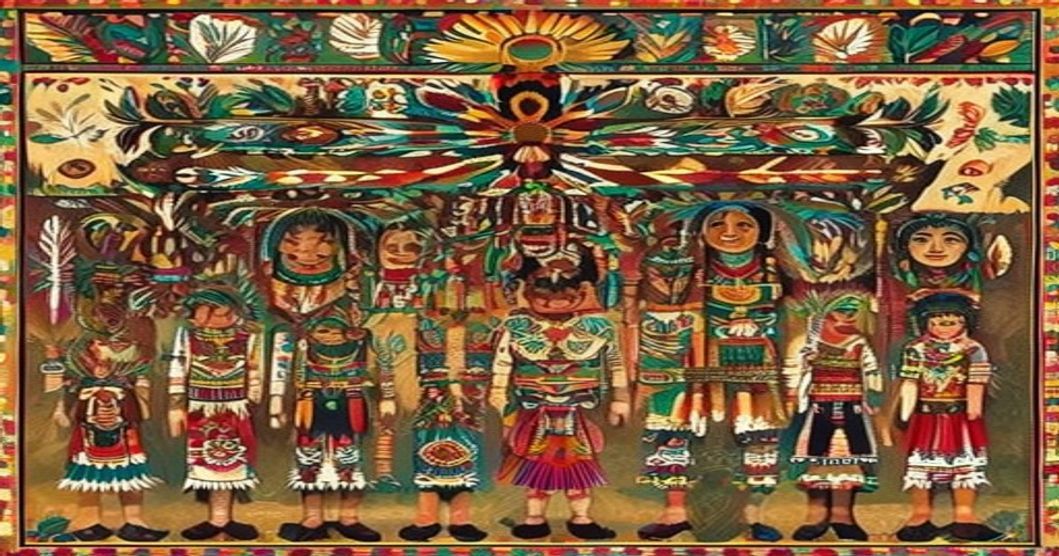
Los Otomí son conocidos por su habilidad en la producción de textiles y cerámica, que son fundamentales en su identidad cultural. Los símbolos más comunes en su arte incluyen el aguila, el coyote, el maguey y el maíz.

En sus textiles, los Otomí utilizan colores y patrones específicos que representan diferentes aspectos de su cultura y vida. Por ejemplo, el maguey es un símbolo de fertilidad y abundancia, mientras que el maíz es un símbolo de abundancia y prosperidad.

Economía y Sociedad

Cronología Descripción
1.500 d.C. – 1.800 d.C. Expansión de la agricultura: Los Otomí desarrollan una agricultura más eficiente, lo que les permite aumentar su producción de alimentos.
1.800 d.C. – 2.000 d.C. Desarrollo de la artesanía: Los Otomí desarrollan una artesanía más sofisticada, con la creación de textiles y cerámica de gran calidad.

Conclusiones

En conclusión, el pueblo Otomí es una etnia indígena con una rica historia y cultura que se remonta a más de 2.000 años atrás. Su identidad se caracteriza por la habilidad en la agricultura, la artesanía y la producción de textiles y cerámica de gran calidad.

English

Introduction

The Otomi people are one of the most important indigenous groups in Mexico, with a rich history and culture that dates back over 2,000 years. They inhabit the central regions of Mexico, in the states of Hidalgo and Querétaro, and have developed a distinct identity and rich traditions.

With an estimated population of around 400,000 people, the Otomi are known for their skill in agriculture and craftsmanship, especially in the production of textiles and ceramics. Their language and literature are also of great importance, with a rich tradition of stories and poetry.

Development

Geography and Climate

Cronology Description
2,000 BCE – 1,000 BCE Preclassic period: The Otomi develop their identity and culture in the central regions of Mexico.
1,000 BCE – 1,500 CE Classic period: The Otomi reach their peak cultural and artistic development, with the creation of high-quality textiles and ceramics.
1,500 CE – 1,800 CE Postclassic period: The Otomi experience a decline in their influence and power, due to the expansion of other cultures.

Symbols and Artisanal Work

The Otomi are known for their skill in producing textiles and ceramics, which are fundamental to their cultural identity. The symbols most commonly used in their art include the eagle, the coyote, the maguey, and the maize.

In their textiles, the Otomi use colors and patterns specific to their culture and way of life. For example, the maguey is a symbol of fertility and abundance, while the maize is a symbol of abundance and prosperity.

Economy and Society

Cronology Description
1,500 CE – 1,800 CE Expansion of agriculture: The Otomi develop a more efficient agriculture, which allows them to increase their food production.
1,800 CE – 2,000 CE Development of artisanal work: The Otomi develop a more sophisticated artisanal work, with the creation of high-quality textiles and ceramics.

Conclusions

In conclusion, the Otomi people are an indigenous group with a rich history and culture that dates back over 2,000 years. Their identity is characterized by their skill in agriculture, artisanal work, and the production of high-quality textiles and ceramics.

Français

Introduction

Le peuple otomí est l’une des plus importantes communautés indigènes du Mexique, avec une histoire et une culture riche qui remonte à plus de 2 000 ans. Ils habitent les régions centrales du Mexique, dans les états de Hidalgo et de Querétaro, et ont développé une identité distincte et riche en traditions.

Avec une population estimée à environ 400 000 personnes, les Otomis sont connus pour leur compétence en agriculture et en travail artisanal, notamment dans la production de tissus et de céramiques de qualité. Leur langue et leur littérature sont également de grande importance, avec une riche tradition de contes et de poésie.

Développement

Géographie et Climat

Cronologie Description
2 000 av. J.-C. – 1 000 av. J.-C. Periode préclassique : Les Otomis développent leur identité et leur culture dans les régions centrales du Mexique.
1 000 av. J.-C. – 1 500 ap. J.-C. Periode classique : Les Otomis atteignent leur apogée culturelle et artistique, avec la création de tissus et de céramiques de haute qualité.
1 500 ap. J.-C. – 1 800 ap. J.-C. Periode postclassique : Les Otomis subissent une diminution de leur influence et de leur pouvoir, en raison de l’expansion de autres cultures.

Symbolisme et Travail Artisanal

Les Otomis sont connus pour leur compétence dans la production de tissus et de céramiques, qui sont fondamentaux à leur identité culturelle. Les symboles les plus couramment utilisés dans leur art incluent l’aigle, le coyote, le maguey et le maïs.

Dans leurs tissus, les Otomis utilisent des couleurs et des motifs spécifiques à leur culture et à leur mode de vie. Par exemple, le maguey est un symbole de fécondité et d’abondance, tandis que le maïs est un symbole d’abondance et de prospérité.

Économie et Société

Cronologie Description
1 500 ap. J.-C. – 1 800 ap. J.-C. Expansion de l’agriculture : Les Otomis développent une agriculture plus efficace, ce qui leur permet de augmenter leur production alimentaire.
1 800 ap. J.-C. – 2 000 ap. J.-C. Developpement du travail artisanal : Les Otomis développent un travail artisanal plus sophistiqué, avec la création de tissus et de céramiques de haute qualité.

Conclusions

En conclusion, le peuple otomí est une communauté indigène avec une histoire et une culture riche qui remonte à plus de 2 000 ans. leur identité se caractérise par leur compétence en agriculture, travail artisanal et production de tissus et céramiques de haute qualité.

Preguntas Frecuentes / FAQ / Questions Fréquentes

Qu’est-ce que les Otomis ?

Les Otomis sont une communauté indigène qui habite les régions centrales du Mexique, dans les états de Hidalgo et de Querétaro.

Quelle est l’histoire des Otomis ?

Les Otomis ont une histoire riche qui remonte à plus de 2 000 ans, avec une période préclassique, une période classique et une période postclassique.

Quels sont les symboles les plus importants des Otomis ?

Les Otomis utilisent les symboles de l’aigle, du coyote, du maguey et du maïs dans leur art.

Quelle est la langue des Otomis ?

Les Otomis parlent leur propre langue, qui est également appelée “otomi”.

Explora Más

Explora el archivo abierto y gratuito en Mexican Library (mexicanlibrary.org) para aprender más sobre la cultura y la historia de los Otomis.

Bibliografía / References / Références

#MexicanLibrary #PueblosIndigenas #CulturasDeMexico #OpenLibrary #FreeArchive #Mexico #PatrimonioCultural
Mexican Library
Privacy Overview

This website uses cookies so that we can provide you with the best user experience possible. Cookie information is stored in your browser and performs functions such as recognising you when you return to our website and helping our team to understand which sections of the website you find most interesting and useful.