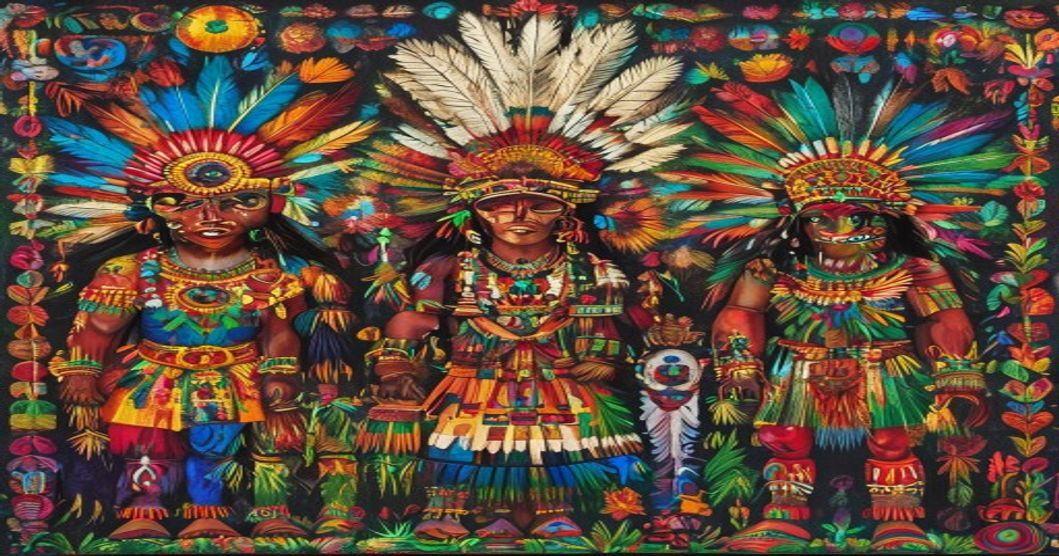
Pueblo Mixe: Historia, Cultura y Cosmovisión Indígena de México
Español
Introducción
El pueblo Mixe es una de las culturas indígenas más importantes de Oaxaca, México, conocida por su rica tradición religiosa y su conexión con la naturaleza. Ubicado en la región de la Sierra Norte de Oaxaca, el pueblo Mixe ha desarrollado una identidad única que combina elementos de sus antecesores prehispánicos con la influencia del colonialismo español. En este artículo, exploraremos la historia, la religión y la cultura del pueblo Mixe, así como su relación con la naturaleza y su patrimonio cultural.
Desarrollo
La historia del pueblo Mixe se remonta a la época prehispánica, cuando se establecieron en la región de la Sierra Norte de Oaxaca. La región era habitada por diferentes grupos indígenas, incluyendo los Mixes, los Zapotes y los Chontales. Los Mixes eran conocidos por su habilidad en la agricultura y la caza, y su rica tradición religiosa se centraba en la adoración de los dioses de la naturaleza.
La religión mixe se basaba en la adoración de los dioses jaguar y águila, que eran considerados los símbolos de la naturaleza y la fuerza. Los Mixes creían que estos dioses eran los que protegían la región y la población de la naturaleza. La religión mixe también incluía la adoración de los dioses de la fertilidad y la cosecha, como la diosa Coatlicue y el dios Quetzalcóatl.
La cultura mixe se caracterizaba por su rica tradición artística y religiosa. Los Mixes eran conocidos por su habilidad en la cerámica y la textiles, y sus artesanías eran muy apreciadas en la región. La religión mixe también incluía la realización de rituales y ceremonias, como la celebración de los solsticios y las fiestas de la cosecha.
Cronología histórica
| Fecha | Evento |
|---|---|
| Prehispánico | La región de la Sierra Norte de Oaxaca fue habitada por diferentes grupos indígenas, incluyendo los Mixes. |
| Colonialismo español ( XVI-XVIII siglos) | La región fue colonizada por los españoles, lo que llevó a la conversión de la mayoría de la población mixe al catolicismo. |
| Siglo XIX | La región experimentó un declive económico y social, lo que llevó a la emigración de muchos mixes a otras partes de México. |
| Siglo XX | La región experimentó un resurgimiento cultural, con la realización de eventos culturales y la promoción de la lengua y la tradición mixe. |
Simbolismo y animales
| Símbolo | Animales |
|---|---|
| Jaguar | El jaguar era considerado el símbolo de la fuerza y la protección. |
| Águila | La águila era considerada el símbolo de la libertad y la sabiduría. |
| Maguey | El maguey era considerado un símbolo de la fertilidad y la abundancia. |
| Maíz | El maíz era considerado un símbolo de la vida y la abundancia. |
Conclusiones
En conclusión, el pueblo Mixe es una cultura rica y compleja que ha desarrollado una identidad única en la región de la Sierra Norte de Oaxaca. Su rica tradición religiosa y cultural se centra en la adoración de los dioses de la naturaleza y la protección de la región. La cultura mixe es un patrimonio cultural importante que debe ser preservado y promovido.
English
Introduction
The Mixe people are one of the most important indigenous cultures in Oaxaca, Mexico, known for their rich religious tradition and their connection to nature. Located in the Sierra Norte region of Oaxaca, the Mixe people have developed an unique identity that combines elements of their pre-Hispanic ancestors with the influence of Spanish colonialism. In this article, we will explore the history, religion, and culture of the Mixe people, as well as their relationship with nature and their cultural heritage.
Development
The history of the Mixe people dates back to the pre-Hispanic era, when they settled in the Sierra Norte region of Oaxaca. The region was inhabited by different indigenous groups, including the Mixes, the Zapotes, and the Chontales. The Mixes were known for their skill in agriculture and hunting, and their rich religious tradition was centered on the worship of nature gods.
The Mixe religion was based on the worship of nature gods, including the jaguar and the eagle, which were considered symbols of power and protection. The Mixes believed that these gods protected the region and the population from natural forces. The Mixe religion also included the worship of fertility and harvest gods, such as the goddess Coatlicue and the god Quetzalcóatl.
The Mixe culture was characterized by its rich artistic and religious traditions. The Mixes were known for their skill in ceramics and textiles, and their art was highly valued in the region. The Mixe religion also included the performance of rituals and ceremonies, such as the celebration of solstices and harvest festivals.
Cronology
| Year | Event |
|---|---|
| Pre-Hispanic era | The Mixe people settled in the Sierra Norte region of Oaxaca. |
| Colonial era ( XVI-XVIII centuries) | The region was colonized by the Spanish, leading to the conversion of most of the Mixe population to Catholicism. |
| 19th century | The region experienced economic and social decline, leading to the emigration of many Mixes to other parts of Mexico. |
| 20th century | The region experienced a cultural resurgence, with the promotion of Mixe language and tradition. |
Symbols and Animals
| Symbols | Animals |
|---|---|
| Jaguar | The jaguar was considered a symbol of power and protection. |
| Eagle | The eagle was considered a symbol of freedom and wisdom. |
| Maguey | The maguey was considered a symbol of fertility and abundance. |
| Maize | The maize was considered a symbol of life and abundance. |
Conclusions
In conclusion, the Mixe people are a rich and complex culture that has developed a unique identity in the Sierra Norte region of Oaxaca. Their rich religious tradition and cultural heritage are centered on the worship of nature gods and the protection of the region. The Mixe culture is an important cultural heritage that should be preserved and promoted.
Français
Introduction
Le peuple Mixe est une des cultures indigènes les plus importantes de l’Oaxaca, au Mexique, connu pour sa tradition religieuse riche et sa relation avec la nature. Situé dans la région de la Sierra Norte de l’Oaxaca, le peuple Mixe a développé une identité unique qui combine éléments de ses ancêtres préhispaniques avec l’influence du colonialisme espagnol. Dans cet article, nous explorerons l’histoire, la religion et la culture du peuple Mixe, ainsi que leur relation avec la nature et leur patrimoine culturel.
Développement
L’histoire du peuple Mixe remonte à l’époque pré-hispánique, lorsque les Mixes s’installèrent dans la région de la Sierra Norte de l’Oaxaca. La région était habitée par différents groupes indigènes, dont les Mixes, les Zapotes et les Chontales. Les Mixes étaient connus pour leur compétence en agriculture et en chasse, et leur tradition religieuse était centrée sur la dévotion aux dieux de la nature.
La religion mixe était basée sur la dévotion aux dieux de la nature, dont le jaguar et l’aigle, qui étaient considérés comme les symboles de la puissance et de la protection. Les Mixes croyaient que ces dieux protégeaient la région et la population de la nature. La religion mixe incluait également la dévotion aux dieux de la fertilité et de la récolte, tels que la déesse Coatlicue et le dieu Quetzalcóatl.
La culture mixe était caractérisée par sa tradition artistique et religieuse riche. Les Mixes étaient connus pour leur compétence en céramique et en tissus, et leur art était très apprécié dans la région. La religion mixe incluait également la réalisation de rituels et de cérémonies, telles que la célébration des solstices et des festivals de la récolte.
Cronologie
| Année | Événement |
|---|---|
| Époque pré-hispánique | Les Mixes s’installèrent dans la région de la Sierra Norte de l’Oaxaca. |
| Époque coloniale ( XVI-XVIII siècles) | La région fut colonisée par les Espagnols, ce qui entraîna la conversion de la majorité de la population mixe au catholicisme. |
| 19e siècle | La région fut affectée par une déclin économique et social, ce qui entraîna l’émigration de nombreux Mixes vers d’autres parties du Mexique. |
| 20e siècle | La région connaît un renouveau culturel, avec la promotion de la langue et de la tradition mixe. |
Symboles et animaux
| Symboles | Animaux |
|---|---|
| Jaguar | Le jaguar était considéré comme un symbole de la puissance et de la protection. |
| Aigle | La péniche était considérée comme un symbole de la liberté et de la sagesse. |
| Maguey | Le maguey était considéré comme un symbole de la fertilité et de l’abondance. |
| Maïs | Le maïs était considéré comme un symbole de la vie et de l’abondance. |
Conclusions
In fine, le peuple Mixe est une culture riche et complexe qui a développé une identité unique dans la région de la Sierra Norte de l’Oaxaca. Sa tradition religieuse et culturelle sont centrées sur la dévotion aux dieux de la nature et la protection de la région. La culture mixe est un patrimoine culturel important qui doit être préservé et promouvé.
Preguntas Frecuentes / FAQ / Questions Fréquentes
Qu’est-ce que le peuple Mixe?
Le peuple Mixe est une culture indigène de l’Oaxaca, au Mexique, connue pour sa tradition religieuse riche et sa relation avec la nature.
Quelle est la langue du peuple Mixe?
La langue du peuple Mixe est l’idiome mixe, qui est une langue isolate.
Quelle est la religion du peuple Mixe?
La religion du peuple Mixe est basée sur la dévotion aux dieux de la nature, tels que le jaguar et l’aigle.
Qu’est-ce que la culture mixe?
La culture mixe est une culture riche et complexe qui a développé une identité unique dans la région de la Sierra Norte de l’Oaxaca. Elle est caractérisée par sa tradition religieuse et culturelle, ainsi que par sa relation avec la nature.
Explora Más
Si vous souhaitez en savoir plus sur le peuple Mixe, consultez notre article complet sur les cultures indigènes de l’Oaxaca. Vous pouvez également visiter notre archive en ligne gratuite, où vous trouverez des informations sur les différentes cultures indigènes de l’Oaxaca, ainsi que des liens vers les ressources en ligne.
Bibliografía / References / Références
- INAH (https://www.inah.gob.mx)
- INPI (https://www.gob.mx/inpi)
- UNESCO (https://es.unesco.org)
- Mediateca INAH (https://mediateca.inah.gob.mx)
- Sistema de Información Cultural (https://sic.cultura.gob.mx)
- Biblioteca Nacional de México UNAM (http://www.bnm.unam.mx)
- UNESCO (https://en.unesco.org)
#MexicanLibrary #PueblosIndigenas #CulturasDeMexico #OpenLibrary #FreeArchive #Mexico #PatrimonioCultural